Bipartisan discussions in Congress have intensified over the potential extension of tax credits that have significantly enhanced health insurance affordability for millions since the onset of the COVID-19 pandemic. However, the future of these credits hangs in balance as Republicans and Democrats face off in a contentious debate.
Democrats are poised to act decisively, warning of a government shutdown looming at the end of the month if Republicans do not agree to prolong the subsidies, which were introduced in 2021 and extended the following year during their majority control. Scheduled to expire at the year’s end, these tax credits primarily benefit low- and middle-income individuals who purchase health coverage through the Affordable Care Act (ACA).
Notably, some Republicans, long critical of the health care law established under President Obama, are now reconsidering their stance on the subsidies. They recognize that many constituents could be adversely affected by steep premium increases if the subsidies are allowed to lapse.
Despite signs of bipartisan acknowledgment, significant gaps remain between the parties. A faction of Republicans vehemently opposes the credits, while GOP leadership in both chambers has been noncommittal, with some advocating for revisions to the tax credits—a move that could spark lengthy negotiations and delay resolution.
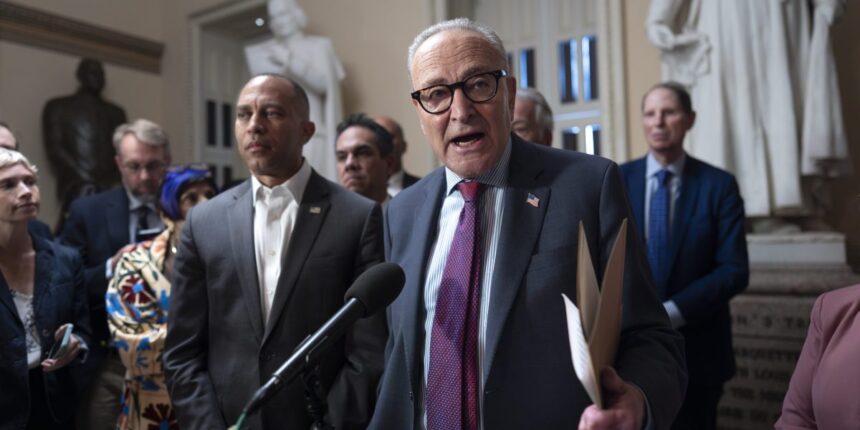
Democrats are unlikely to concede on changing the subsidies, heightening the risk of stalemate and uncertainty for health insurers, hospitals, and countless Americans reliant on the program. Senate Democratic Leader Chuck Schumer warned that millions could soon receive notifications indicating skyrocketing health insurance costs, with increases potentially reaching hundreds or even thousands of dollars.
The enrollment for ACA plans has surged, now reaching an unprecedented 24 million Americans, largely due to the financial assistance that has made coverage much more accessible. Many lower-income participants benefited from plans with no premiums, while others faced a cap on their premium contributions at 8.5% of their income, broadening eligibility for middle-class earners.
As the expiration date nears, some individuals are already receiving notices of impending premium spikes, with insurers in multiple states proposing hikes of up to 50%. Legislative pressure is mounting from major industries such as health insurers and hospital operators, who are wary of impending Medicaid cuts tied to previous tax reforms enacted under former President Trump.
David Merritt from Blue Cross Blue Shield remarked on the shared understanding of the looming crisis regarding premium increases, underscoring the urgency for Congressional action to prevent serious repercussions.
In Iowa, discussions around proposed premium increases between 3% to 37% have fueled public dissent, with constituents expressing fears of dropping their health coverage altogether. One local business owner articulated the financial strain, noting her ardent efforts to work as much as possible while adhering to a strict budget.
The legislative battle regarding Obamacare funding is intertwined with broader negotiations on government funding as lawmakers grapple with the impending threat of a shutdown. Leading Democratic figures have emphatically stated they refuse to support any spending bill that does not incorporate an extension of health care tax credits. Meanwhile, Republicans seem to be seeking more time for deliberations, with concerns over the political ramifications of rising premiums as election season approaches.
Senate Majority Leader John Thune indicated a desire for a compromise solution, asserting that some of his colleagues are divided over the issue, while House Speaker Mike Johnson acknowledged the opposition among several rank-and-file members, though he has not dismissed the possibility of extending the benefits.
Recently, a group of 15 House Republicans from competitive districts proposed legislation to extend the tax credits for one year, recognizing the potential impact on middle-class constituents should the subsidies expire. Senators from both sides of the aisle have also expressed support for maintaining the subsidies, although some suggest adjustments, particularly for higher-income recipients.
With open enrollment set to commence on November 1, policymakers are under pressure to create viable solutions to stave off impending challenges, with lawmakers acknowledging that timely action is critical as premium rates become apparent to consumers in the coming weeks.