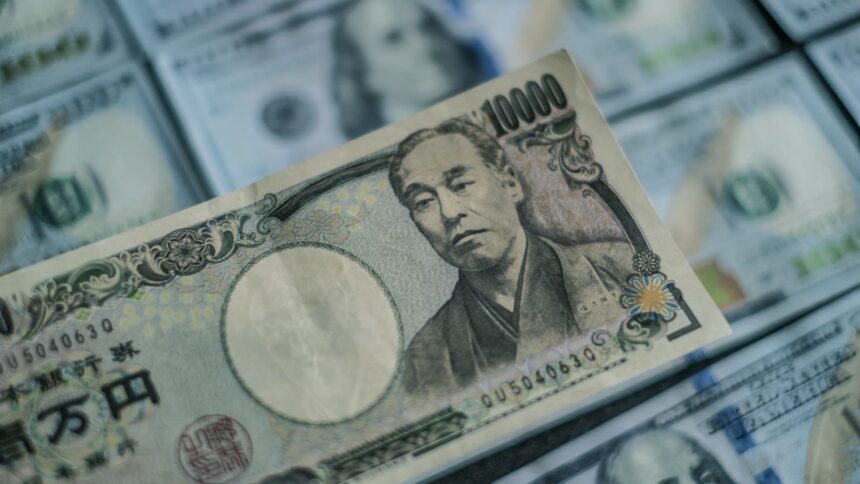
The yen experienced a notable strengthening against the U.S. dollar on Friday, following the Bank of Japan’s decision to maintain its interest rates. The central bank held rates steady at 0.5%, but the meeting stirred market speculation with two dissenting votes advocating for an increase. This unexpected dissent raised questions among market participants regarding the timing of future rate hikes.
David Chao, global market strategist for Asia-Pacific at Invesco in Singapore, indicated that the dissent could signal potential policy adjustments sooner than previously anticipated. As a result, the upcoming meeting scheduled for October 30 has gained importance, as it presents a significant opportunity for a potential rate hike this year.
In the aftermath of the BOJ’s announcement, the yen saw an initial surge before stabilizing, with the U.S. dollar down just 0.1% at 147.8 yen. During a press conference, BOJ Governor Kazuo Ueda stated that the central bank would consider raising rates if its economic and price forecasts align favorably.
Amid this backdrop, Japan’s ruling Liberal Democratic Party (LDP) is preparing for a leadership election on October 4 to succeed outgoing Prime Minister Shigeru Ishiba. Market observers are curious about how the party’s leadership change might influence the BOJ’s future policy direction.
On the other hand, sterling faced downward pressure after Britain’s borrowing exceeded official projections, complicating the financial landscape for Chancellor Rachel Reeves ahead of her budget presentation in November. The currency declined by as much as 0.5% to $1.3484, marking its largest two-day drop since late July. Despite a modest increase in UK retail sales of 0.5% in August, the disappointing debt figures highlight the challenges facing the British government.
The broader currency market is currently evaluating the longer-term repercussions on the dollar, especially concerning the previous administration’s tariffs and significant policy shifts. There is heightened speculation regarding the Federal Reserve’s upcoming meeting, with futures markets reflecting an 89.8% probability of a 25-basis point cut in rates, an increase from the previous day’s estimate of 87.4%.
Foreign demand for dollar-denominated assets, particularly U.S. Treasuries, remains robust. Data from the Treasury Department indicated that overseas holdings reached a record high in July, with significant contributions from Japan and the UK.
Meanwhile, the euro experienced a decline of 0.23% to $1.1760, although it is on track for its third consecutive weekly gain, buoyed by expectations that the European Central Bank will maintain interest rates in the near term, contrasting with anticipated reductions in U.S. borrowing costs.