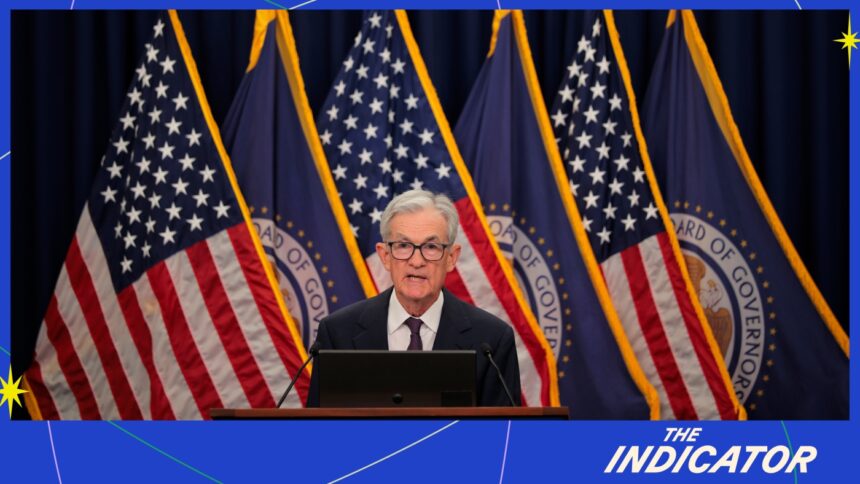
In a week filled with significant economic developments, Federal Reserve Chair Jerome Powell has taken center stage, navigating the complexities of monetary policy amid shifting market dynamics. Recent discussions surrounding a potential rate cut have sparked intense debate among economists and policymakers, each presenting their perspectives on the implications for the broader economy.
As the Fed weighs its options, concerns have emerged regarding the average American’s creditworthiness. Recent data indicates a decline in credit scores across various demographics, raising alarms about consumer confidence and financial health. Experts are analyzing the underlying causes for this dip and its potential impact on spending and borrowing, particularly as households brace for changes in interest rates.
The week also highlighted an intriguing subplot in the world of lotteries, where winners of enormous cash prizes may soon find themselves navigating the realities of employment. As stories of jackpot winners unfold, financial experts caution that managing newfound wealth can present challenges, from tax implications to maintaining long-term financial stability.
In related discussions, analysts have been reflecting on the potential consequences of aggressive monetary policy maneuvers, especially regarding the upcoming presidential elections. The debate has intensified, with some commentators suggesting that a drastic cut in interest rates could have unforeseen repercussions.
Meanwhile, various social media platforms, including TikTok and Instagram, are buzzing with economic insights, as public interest grows in understanding credit scores and their significance. This shift signals a broader trend of increased public engagement with financial literacy, as consumers seek to navigate their economic realities more effectively.
As the Federal Reserve prepares for its upcoming meetings, the economic landscape appears increasingly complex, raising questions about the balancing act between stimulating growth and ensuring stability in the financial system.