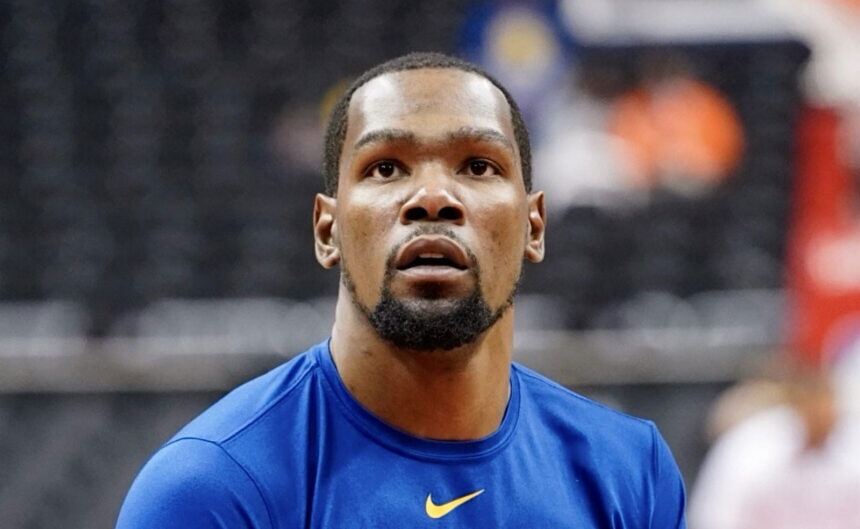
The recent financial journey of Kevin Durant, a newly acquired Houston Rocket, has taken a surprising turn as he finds himself unable to access a significant portion of his cryptocurrency investments. Reports indicate that Durant has lost the password to his Coinbase account, which houses all the Bitcoin he began purchasing during his time with the Golden State Warriors in 2016. Interestingly, his agent, Rich Kleiman, stated that this predicament might actually be advantageous for Durant’s portfolio.
At a recent conference in Los Angeles, Kleiman addressed the situation, explaining, “We’ve yet to be able to track down his Coinbase account info, so we’ve never sold anything, and this bitcoin is just through the roof.” Despite the inability to access the account, the value of Bitcoin has surged dramatically; it now sits at around $116,000, marking an incredible rise from the initial purchase prices that ranged between $360 and $1,000.
The genesis of Durant’s interest in cryptocurrency can be traced back to a dinner organized by his teammates, during which the discussion around Bitcoin piqued his interest. As a result, Durant and Kleiman started investing almost immediately after that conversation. With Bitcoin experiencing a staggering 11,000% increase in value, Durant’s locked investments have remained untouched, allowing him to avoid losses from any market downturns that have affected many other investors.
However, the cryptocurrency landscape is not without its complexities and concerns. Eswar Prasad, a professor at Cornell University, pointed out the inherent risks and volatility of cryptocurrencies, warning that while they might seem like opportunities, they also pose significant dangers, particularly to everyday investors. He highlighted that the supposed democratization of finance through innovations like Bitcoin often appears to exacerbate existing inequalities, particularly for those who lack financial literacy.
Further complicating the narrative, a 2022 article from The Atlantic emphasized that Durant’s successful foray into cryptocurrency is an anomaly, especially among Black investors who have entered the market later and faced significant losses. Many Black Americans are more likely to own cryptocurrency compared to traditional investments like stocks or mutual funds, largely driven by past failures of conventional financial holdings.
John W. Rogers, founder of Ariel Investments, noted a cyclical pattern similar to the boom and bust seen during the internet bubble, where first-time investors often chase seemingly lucrative opportunities, only to suffer losses in downturns. The disparity in investment outcomes highlights the urgent need for greater protections and pathways to wealth for underrepresented groups.
The ongoing discussion around cryptocurrency regulation underscores the importance of safeguarding individual investors, especially in light of the volatility and unpredictability in the market. Experts advocate for tighter regulations that would protect all investors, while also ensuring that traditionally underserved communities have better access to wealth-building opportunities.
As Durant navigates his unique situation, the broader implications for the cryptocurrency market and its diverse array of investors continue to unfold, revealing a landscape fraught with both potential rewards and significant risks.