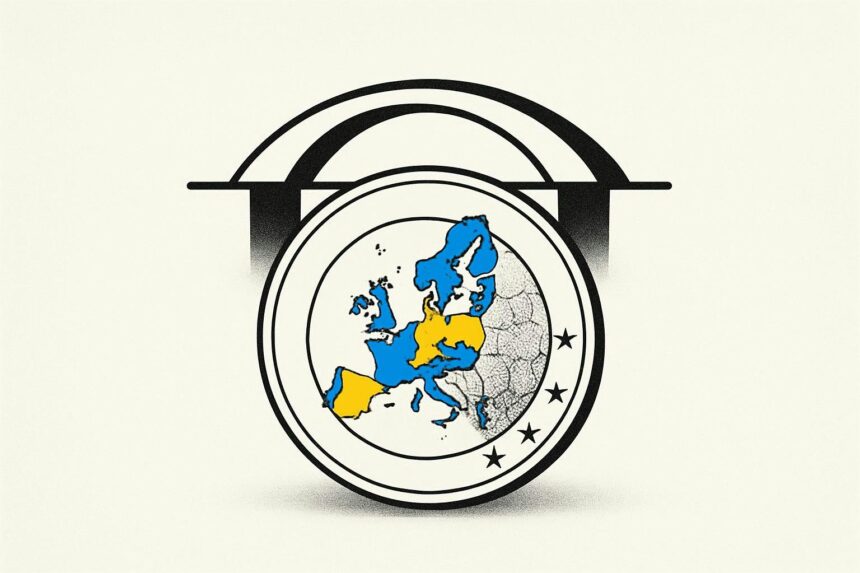
Europe’s single currency, the euro, established in 1999 as a result of the Maastricht Treaty, has faced various challenges over its two decades of existence. Originally created to foster economic integration among member nations, the euro initially connected 11 countries under a unified financial framework. However, its resilience has been tested during crises, most notably during the eurozone debt crisis, which prompted the introduction of new rescue funds and calls for enhanced policy coordination.
In recent years, additional crises, such as the COVID-19 pandemic, have prompted European leaders to respond with significant financial measures, including a €750 billion recovery fund. Despite these efforts, significant hurdles remain in achieving a fully harmonized capital and investment market across Europe. This shortfall has limited the euro’s status and influence on the global stage, especially in a climate of increasing international competition and geopolitical tensions.
Leaders such as Christine Lagarde have urged that decisive action is now essential to reinforce the euro’s position as a global economic anchor. The future of the euro relies heavily on how much integration European leaders are willing to pursue. Current levels of financial integration leave European businesses at a competitive disadvantage compared to their American counterparts, presenting an ongoing challenge for the eurozone.
From a market perspective, the course of the euro affects investment opportunities significantly. A unified financial infrastructure could enhance liquidity, improve market depth, and open up broader avenues for investors across Europe. The direction of the euro is not merely a financial consideration; it is intertwined with Europe’s identity and its influence in global trade.
In the context of changing supply chains and a dynamic global economic landscape, the eurozone’s ability to adapt will have profound implications for European prosperity and its role in international decision-making. As Europe deliberates between pursuing deeper integration or implementing smaller measures, the outcomes of these discussions may shape global markets for years to come.