In a week marked by notable resilience, the S&P 500 exhibited a firm finish, minimizing what could have been a more pronounced pullback. Despite facing numerous challenges—including technical overbought conditions, unfavorable seasonal patterns, sell-the-news reactions to significant AI and chip-related announcements, and a rise in Treasury yields—the index experienced only a modest decline of 0.30%. Remarkably, it remains just shy of its record high from September 22, having avoided any dips greater than 3% since May.
This resilience is bolstered by a self-supporting rotational action, with a strong dip-buying reflex amongst investors. Data on personal income, spending, and core PCE inflation were released, showing expected but reassuring outcomes that contributed to this stability. Interestingly, the equal-weighted S&P remained flat for the week, indicating a consistent performance across various sectors.
However, the market is not without its challenges. Key players in the mega-tech sector have revealed signs of unreliability, while regional banks have pulled back from their previous momentum. Additionally, sectors that once showed strength, such as travel stocks, have begun to falter. Conversely, some laggard sectors like energy and certain commodities are beginning to show signs of revival. The ongoing transfer of momentum among the prominent “Magnificent 7” tech stocks—shifting attention from one leading company to another, like Tesla one day and Apple the next—has helped maintain market stability.
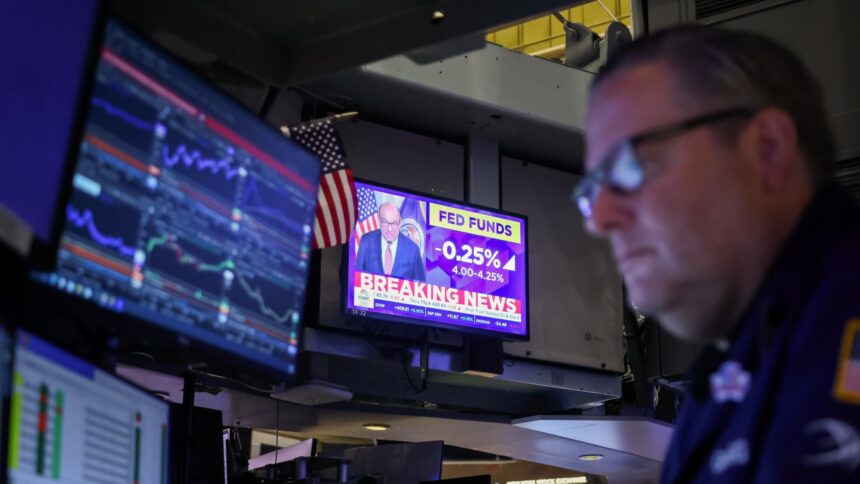
With slight gains reported in personal income and spending, along with an on-target core PCE, the fundamental macroeconomic outlook remains solid for this phase of the bull market. The Federal Reserve appears to have the capacity to reduce rates, even as the economy seems far from recession and inflation hovers above the 2% target. The equity market generally thrives with a nominal GDP of around 5%—attributed to 2% real growth and 3% inflation—so long as the bond market remains stable and the Fed avoids actions that would stifle growth.
At present, the 10-year Treasury yield, which has risen from 4% just ten days prior, is still at manageable levels beneath 4.2%. There has been some skimming of froth in specific sectors such as cryptocurrencies and recent IPOs, but the overall market trends remain largely unchanged over the past year. Investor sentiment reflects a mix of contentment and optimism without veering into overexuberance; the AAII retail-investor survey indicates a slight edge of bulls over bears. A few days of minimal losses, coupled with somewhat hawkish commentary from Federal Reserve officials, have nudged the CNN Fear/Greed Index from a state of greed back to neutral.
Nonetheless, this backdrop does not imply that stocks are free from seasonal headwinds or present an exceptionally favorable risk/reward scenario. With quarter-end rebalancing on the horizon, high valuations, and credit spreads already at low levels, the potential for further gains in these areas appears limited. Additionally, skepticism surrounding AI continues to loom large, suggesting that market participants should proceed with caution.
Despite slim losses for the S&P 500 this week, the outlook suggests that the more anxious bears might be feeling greater frustration compared to their worry-free counterparts among the bulls. As strategists start to unveil ambitious targets for the S&P 500 for the upcoming year, the dynamics of market sentiment will be closely monitored in the weeks ahead.