As the government shutdown commences its first day, tensions remain high on Capitol Hill with no visible movement towards a resolution from either political party, according to reports. This shutdown has critical implications for the economy, most notably causing a delay in the release of the U.S. jobs report, originally scheduled for October 3. The absence of this key data point will hinder the Federal Reserve’s ability to make informed decisions regarding interest rates, further complicating economic outlooks.
The Bureau of Labor Statistics (BLS) and other federal agencies have begun furloughing employees, which has halted essential data collection and dissemination processes. Additionally, if the shutdown extends, it could push back the release of the Consumer Price Index report anticipated for October 15, an important metric for gauging inflation. Following a 0.25% rate cut in September, many economists expected another rate reduction before year-end; however, they may have to rely on private sector reports and alternative sources due to the lack of official data from the BLS.
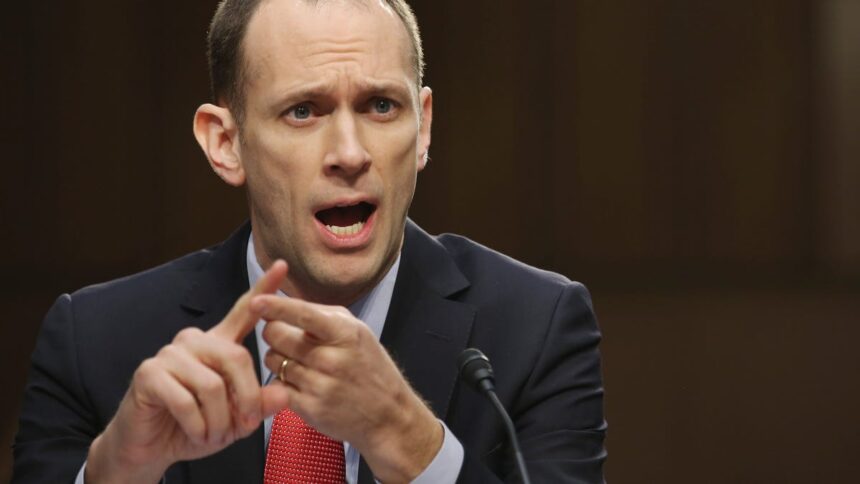
In a recent interview, Chicago Federal Reserve President Austan Goolsbee expressed his concern over having to depend on outside data in the absence of government metrics. He emphasized the crucial role of the BLS as a reliable source of economic information, particularly at a time when the economy shows signs of transition. Historical precedent, including a 2019 report, indicates that the Federal Open Market Committee grapples with increased uncertainty regarding economic conditions during shutdowns, as they have to weigh available private information more heavily.
The backdrop of this shutdown is compounded by increasing signs of weakness in the job market. The Federal Reserve’s decision to cut rates in September was influenced by growing concerns regarding softer labor market conditions. The BLS reported a significant downward revision in hiring figures, revealing that U.S. firms hired 911,000 fewer workers over the preceding year than initially estimated. The situation continues to worsen, with the latest BLS data indicating that only 22,000 jobs were added in August, accompanied by a rise in the unemployment rate to 4.3%, the highest level since October 2021.
Adding to the worrying landscape, the ADP’s National Employment Report revealed that private employers cut 32,000 jobs in September, despite gains in specific sectors like education and health services. These job cuts reflect a cautious approach from employers, even amidst previous claims of strong economic growth.
As the shutdown carries on, former President Donald Trump has hinted at potentially laying off a significant number of federal workers, presenting it as a strategy to pressure congressional Democrats. Recent reports indicate that the White House Office of Management and Budget is exploring options for layoffs instead of the traditional furloughs that have characterized past shutdowns, raising concerns among the approximately 2.4 million federal workers, especially in light of the 300,000 workers who have already exited their positions this year.
With no clear resolution on the horizon, the uncertainty surrounding economic data and federal employment continues to mount, leaving many anxious about the ramifications of this partial government shutdown.