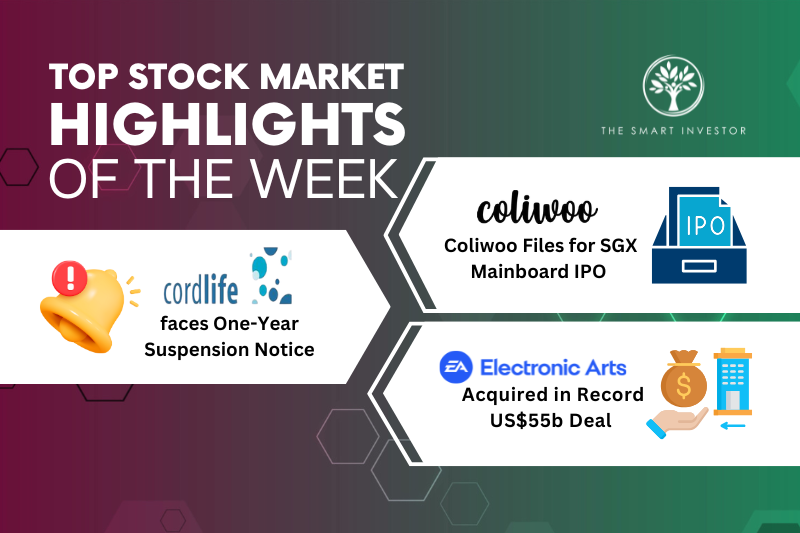
This week has been pivotal in the investment landscape, showcasing notable shifts across various sectors. A historic event unfolded in the gaming industry as Electronic Arts (NASDAQ: EA) finalized the largest leveraged buyout on record, valued at an impressive $55 billion. This acquisition is spearheaded by a consortium that includes Saudi Arabia’s Public Investment Fund (PIF), Silver Lake, and Jared Kushner’s Affinity Partners. The deal not only represents a 25% premium to EA’s market value but also marks a significant move in Saudi Arabia’s strategic plans for dominance in the gaming sector.
As part of this transition, the consortium will inject $36 billion in equity while leveraging $19 billion in debt financing to take EA private. The company’s enduring leader, Chief Executive Andrew Wilson, hailed the acquisition as a “powerful recognition” of EA’s contributions to the gaming industry. However, experts caution that the substantial debt load could restrict EA’s capacity to invest in new projects, such as major titles like EA Sports FC and Madden, raising concerns over potential job cuts and diminished investment in game development.
Meanwhile, Singapore’s co-living sector achieved a critical milestone with Coliwoo’s preliminary prospectus filing for a mainboard IPO. This business unit of LHN Group (SGX: 41O) currently operates 25 properties and manages nearly 3,000 rooms, with aggressive plans to expand to 4,000 rooms by the end of fiscal year 2025 and ultimately aim for 10,000 rooms by 2030. Kelvin Lim, the executive chairman of LHN, asserted that Coliwoo aims to solidify its position as Singapore’s premier co-living operator by pursuing new developments, master lease agreements, and management contracts. In another related transaction, Coliwoo entered into negotiations to divest one of its properties, Coliwoo PP, for S$43.9 million, coupled with a six-year lease-back deal if finalized.
On the regulatory front, Cordlife Group (SGX: P8A) encountered significant challenges as the Ministry of Health (MOH) issued a Notice of Intent to suspend its cord blood banking services for one year. This directive follows compliance failures noted during audits conducted in July 2025. Under the proposed suspension, Cordlife would be barred from banking new cord blood units while being required to retain existing stored units. Although improvements in temperature monitoring and inventory management were recorded, serious lapses in governance and incident reporting were also highlighted. The MOH’s findings necessitate the replacement of Cordlife’s Clinical Governance Officer and a comprehensive review of records for approximately 160 units that have been collected since January 2025.
These contrasting developments in the gaming and healthcare sectors embody the varied fortunes experienced by companies this week. The ambitious expansion within the co-living market stands in stark contrast to the restrictive regulatory measures facing Cordlife, further illustrating the complexities and challenges present in today’s investment environment.