In a striking development for the financial markets, stock prices have continued to rise even amid the uncertainty of a U.S. government shutdown. Notably, the S&P 500 and the Dow Jones Industrial Average set all-time highs on a recent Friday, showcasing a bullish sentiment that is not solely reliant on the big tech sector that has frequently dominated market movements. While renowned tech stocks such as Nvidia maintain their upward momentum due to the ongoing artificial intelligence (AI) boom, the rally has also been broadly inclusive, with the Russell 2000 index of smaller companies achieving record highs after nearly four years of stagnation.
Gold prices have also surged to unprecedented levels. Despite the ongoing government shutdown, which has postponed critical economic reports that analysts typically use to guide their trading decisions, investor confidence appears largely unshaken. This phenomenon echoes previous shutdowns that had similarly minimal impact on stock performance and economic stability, leading many to anticipate that the market might weather this storm as well.
However, underlying this optimism is a landscape fraught with risks. Investors are increasingly cautious about the high valuation of current stocks, especially as prices have surged faster than corporate profits in recent months. Economists often utilize metrics, such as those devised by Nobel laureate Robert Shiller, to assess market conditions. Current analyses indicate that the S&P 500’s valuation is approaching levels reminiscent of the 2000 dot-com bubble, which ultimately led to significant market losses.
Ann Miletti, head of equity investments for Allspring Global Investments, expressed some concerns regarding the inflated prices of speculative stocks, particularly smaller, money-losing companies that have outperformed their more stable counterparts recently. While she maintains an optimistic outlook for the stock market through 2026, she cautioned that such bubbles often signal potential downturns.
As the upcoming earnings season looms closer, the stakes for market performance heighten. Major corporations like PepsiCo and Delta Air Lines are expected to report summer profits soon, which analysts anticipate will reflect an 8% collective growth in earnings per share for S&P 500 companies compared to a year prior. Meeting these expectations is critical, as companies must also reassure investors about ongoing growth amidst persistent economic challenges such as tariffs and stubborn inflation.
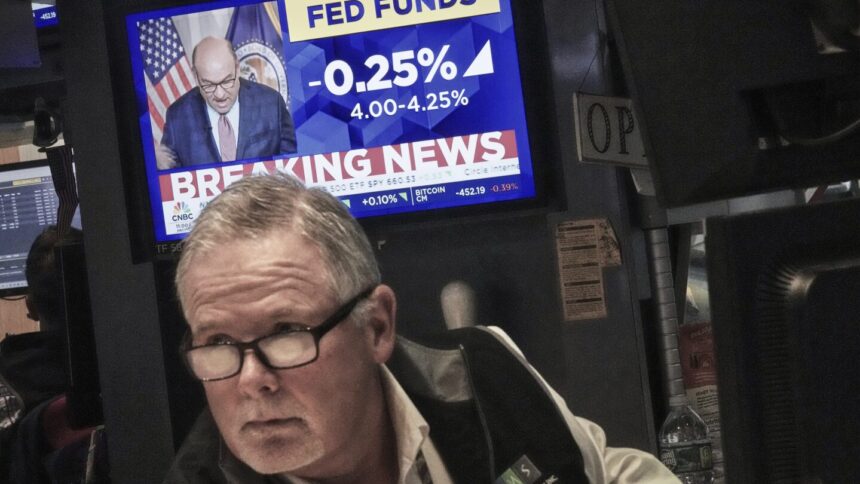
Another factor contributing to the market’s buoyancy is the expectation that the Federal Reserve (Fed) will cut interest rates in the coming months. Lower interest rates could facilitate borrowing and spending, further boosting economic activity. Wall Street traders now largely anticipate at least three rate cuts by mid-next summer, driven by indications that the job market is beginning to slow down. However, Fed Chair Jerome Powell has cautioned that inflation pressures might force the central bank to reconsider those cuts.
Yung-Yu Ma, chief investment strategist at PNC Asset Management Group, referred to the AI boom as the “question of the decade,” indicating that continued robust growth in AI will be essential for sustaining current market conditions. While Ma believes that AI-related stocks are not overvalued, their success is intrinsically linked to the sector’s ability to drive productivity improvements in the economy.
The ultimate trajectory of the stock market hinges on a confluence of corporate earning outcomes, monetary policy adjustments, and the unfolding impact of AI on overall economic performance. As investors remain vigilant, the interplay of these factors will determine whether Wall Street’s current optimism is well-founded or a prelude to market volatility.