NEW YORK — In the face of a looming U.S. government shutdown, the stock market appears unshaken, continuing its upward trajectory as the S&P 500 and Dow Jones Industrial Average recorded all-time highs. While the market initially seemed susceptible to disruptions, the shutdown has not stalled investor enthusiasm as major indices rise across the board. The Russell 2000, which tracks smaller companies, has also reached a new pinnacle after nearly four years of regaining its previous high.
Gold prices have similarly soared to new heights, and leading U.S. bond funds are poised for their best year in five years, suggesting a broad-based rally rather than one solely driven by technology giants. The enthusiasm is notable, particularly given the recent surge in stock prices, which have risen approximately 35% since April.
However, this optimism does come with caveats. Many analysts voice concerns about the increasingly expensive valuations of stocks, especially in the context of corporate profitability. The S&P 500’s price levels are reminiscent of the late 1990s dot-com bubble, raising alarms among seasoned investors. Ann Miletti, head of equity investments for Allspring Global Investments, cautions about the success of speculative stocks, advising that such bubbles can precede significant downturns.
Historical patterns reveal that stock markets can remain elevated for extended periods, provided investor sentiment stays strong. Nonetheless, there is an underlying tension as upcoming earnings reports from major companies could play a crucial role in maintaining current momentum. As firms like PepsiCo and Delta Air Lines prepare to reveal summer profit figures, analysts expect collective earnings growth of around 8% for S&P 500 companies. Meeting or exceeding these expectations will be essential for sustaining market confidence.
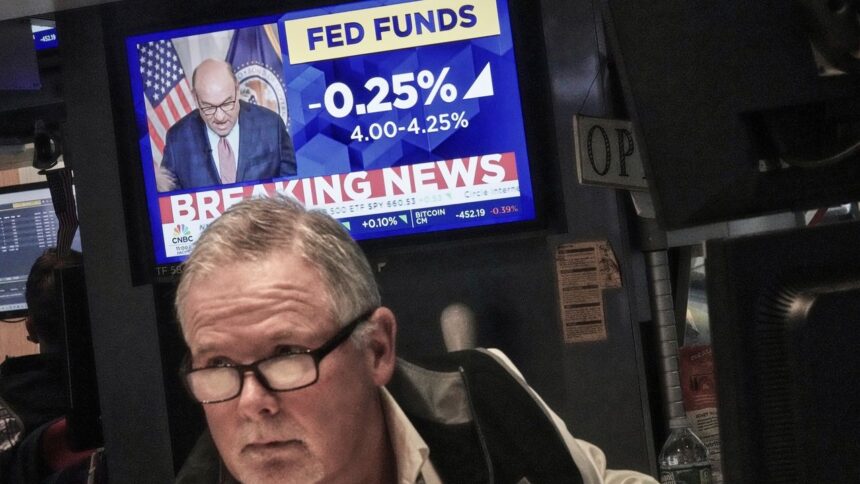
Interest rate expectations from the Federal Reserve are also pivotal. Anticipation of multiple rate cuts in the coming months has buoyed investor spirits, as lowered borrowing costs typically stimulate economic activity. Fed Chair Jerome Powell has indicated that while cuts may be forthcoming, they are contingent on inflation trends. Persistent inflation could disrupt this pro-growth momentum, leading to a reevaluation of stock valuations.
Additionally, the performance of artificial intelligence stocks is seen as critical. Yung-Yu Ma, chief investment strategist at PNC Asset Management Group, points out that the sustained growth of AI-related firms has the potential to redefine market dynamics, provided that it translates to real-world productivity gains and helps temper inflationary pressures.
As Wall Street grapples with these intersecting factors—evaluating lofty stock valuations, anticipating corporate earnings, and monitoring Federal Reserve policy—the market’s trajectory remains uncertain after its recent highs. Investor strategies will likely depend on whether optimism translates into tangible outcomes in earnings and broader economic health as discussions around fiscal policy and inflation continue to evolve.