Bitcoin has reached a remarkable all-time high of $125,000 this week, following a significant surge in both stock markets and cryptocurrencies. This rally has taken place against a backdrop of heightened anticipation regarding upcoming changes in monetary policy and possible economic stimulus measures, prompting traders to brace for what some are predicting could be a major shift in the markets by 2026.
In the past year, the price of Bitcoin has doubled, positioning it neck-and-neck with gold for the title of the best-performing asset of 2025. Analysts attribute this dramatic rise to a combination of factors, including a projected acceleration of interest rate cuts by the Federal Reserve and a looming government shutdown. Furthermore, Wall Street’s increasing interest in Bitcoin and cryptocurrency exchange-traded funds (ETFs) has also been highlighted as a driving force behind the price growth.
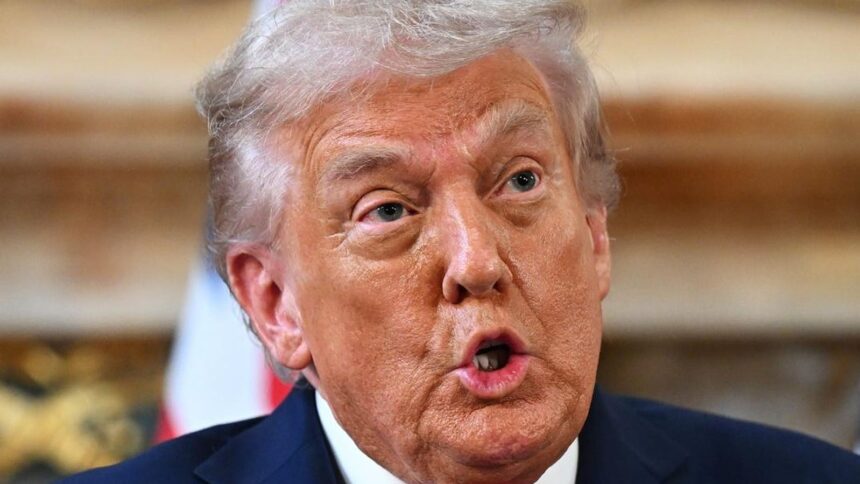
JPMorgan CEO Jamie Dimon has issued a cautionary note regarding the market, while former President Donald Trump is considering the proposal of a $2,000 tariff dividend for American citizens. Analysts suggest that this stimulus-style measure could spark another surge in Bitcoin and crypto prices similar to what was observed during the Covid stimulus checks. Commentators believe this potential economic boost could further exacerbate concerns surrounding the stability of the U.S. dollar.
The recent uptick in Bitcoin’s price, which has surged over 13% in the past week, showcases its growing appeal among investors. David Siemer, CEO of Wave Digital Assets, remarked that current market conditions—characterized by ETF inflows and changing Federal Reserve policies—have created a “perfect storm” for Bitcoin. This shift toward rate cuts has had a weakening effect on the dollar, which has in turn increased risk appetite among investors, benefiting cryptocurrencies disproportionately.
Despite the bullish sentiment in the market, some analysts caution against viewing this rally as sustainable in the long term. Alex Blume, CEO of institutional investment advisor Two Prime, expressed concern that the current surge could be fueled by speculative trading rather than genuine demand. He pointed out that traditional factors, such as the historical correlation between gold and Bitcoin prices, could indicate a cooling period ahead.
The maturation of the cryptocurrency market since the 2020-21 price rally is noteworthy, with increased accessibility brought about by ETFs and clearer regulations. Researchers from Harvard Kennedy School found that government stimulus payments had a direct positive impact on Bitcoin and crypto investments, further fueling the current rise.
In Trump’s recent comments to the media, he outlined his consideration of issuing checks of up to $2,000, derived from revenues collected through his controversial tariff agenda. While he emphasized the need to address national debt, his proposal has sparked speculation on its potential impact on consumer finance and investment behaviors.
Overall, the intersection of ongoing economic pressures and burgeoning interest in cryptocurrencies appears set to shape the financial landscape significantly in the near future, with Bitcoin standing at the forefront of these developments.