A comprehensive study from the Federal Reserve has raised significant concerns regarding the potential vulnerabilities of Bitcoin and other blockchain systems in the face of advancing quantum computing technology. The report emphasizes that quantum computers could eventually decrypt previously secure blockchain transactions, posing a serious threat to the privacy of historical data stored under current encryption standards.
Titled “Harvest Now, Decrypt Later,” the study highlights a concept known as “HNDL,” which describes the active risk where adversaries collect encrypted blockchain data today, intending to decrypt it once quantum computing technology becomes sufficiently advanced. This risk exists now, as attackers can gather sensitive data without needing immediate access to powerful quantum systems.
The publication, released by the Federal Reserve Board and the Federal Reserve Bank of Chicago, underlines the particular vulnerability of distributed ledgers like Bitcoin. These systems maintain a public, immutable record of transactions, rooted in cryptographic methods that are anticipated to be vulnerable to future quantum attacks.
Quantum computers are fundamentally different from classical ones due to their use of quantum bits, or qubits, which can exist in multiple states at once—enabling them to perform calculations at unprecedented speeds. Traditional encryption methods, such as RSA and Elliptic Curve Cryptography (ECC), rely on the complexity of factoring large numbers—something that quantum computers could potentially defeat in mere minutes. The implications of this were first suggested in 1994 by mathematician Peter Shor, setting the stage for burgeoning cybersecurity concerns as quantum technology progresses.
The report details that once quantum computers reach the threshold known as “Q-Day,” where breaking current encryption becomes routine, previously encrypted data will be at great risk. However, the HNDL threat means that this risk manifests even before this pivotal moment. As encrypted blockchain ledgers can be downloaded by anyone today, our private data is at risk of being exposed in the future.
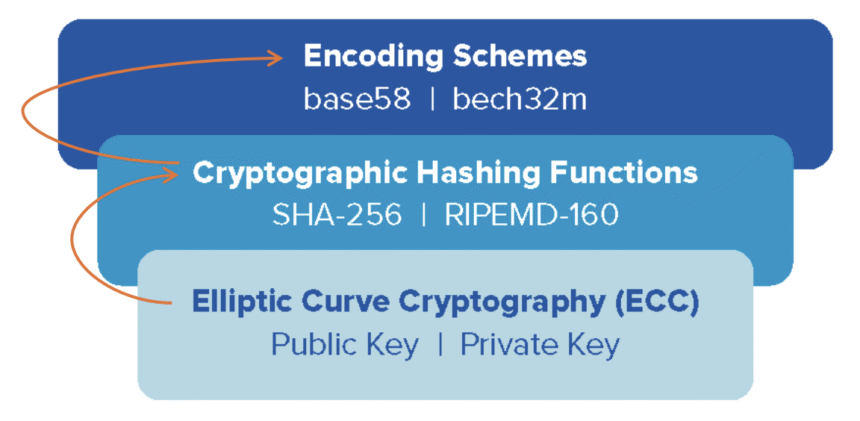
Using Bitcoin as a foundational case study, the researchers note that since its inception in 2009, Bitcoin has used ECC to secure its transactions, making it a prime candidate for exploitation by future quantum systems. While there are discussions within the Bitcoin community around migrating to more secure post-quantum cryptography, the immutable nature of blockchain transactions means that any historical data already recorded would remain vulnerable.
The report lays bare a chilling scenario: a future quantum computer could allow for the de-anonymization of Bitcoin users by revealing the identities behind pseudonymous addresses, exposing payment flows, unlocking dormant wallets, and accessing private information.
The authors draw attention to the paradox of the immutability of blockchains. While this feature is designed to reinforce trust, it also perpetuates vulnerabilities since any data once committed cannot be retroactively shielded from future threats. The report explains that even comprehensive upgrades to encryption methods will not erase past exposures, making the quantum risk a persistent issue.
Moreover, the analysts reference Mosca’s Theorem, which assesses the privacy of data pre-decryption. This theorem suggests that the time needed to switch to post-quantum cryptographic methods must be shorter than the time required to develop a quantum computer capable of breaking existing systems. Given the nature of blockchains that are intended to last indefinitely, this is particularly problematic.
The risk applies not just to Bitcoin but also to various sectors handling sensitive information, including government communications and medical records. The report implies that many organizations might already be hoarding sensitive data, preparing for future quantum decryption while migration to post-quantum cryptography remains slow and costly.
The researchers assert that the HNDL threat is an ongoing challenge within the global digital economy. With each passing day, more data is added to a pool that could be exposed in the future due to quantum advancements. While there is general excitement about new cryptographic standards being developed, the study warns that current systems remain open to exposure and that quantum-induced privacy breaches may be inevitable.
Finally, while the report refrains from detailing specific solutions, it advocates for an urgent reassessment of the most vulnerable encryption systems, particularly those safeguarding long-term data. It notes the difficulty in transitioning decentralized networks like blockchains, where achieving consensus on necessary upgrades is often challenging.
As momentum builds around quantum technologies, the countdown to potential decryption threats looms, emphasizing the urgent need for proactive measures to safeguard both existing and future digital information.