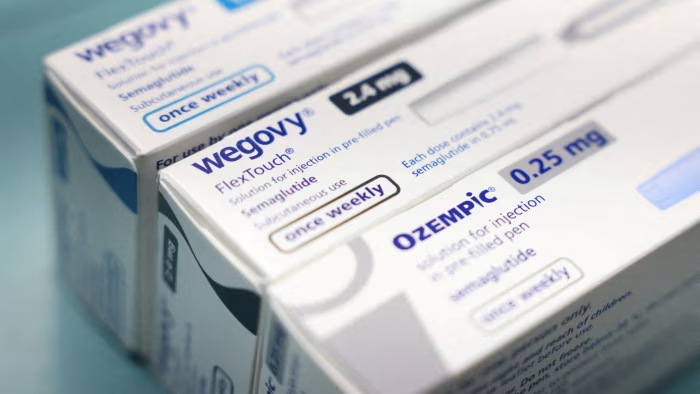
Shares of Novo Nordisk experienced a significant decline on Friday following remarks by Donald Trump about plans to lower the price of its widely-used weight loss medication, Ozempic. During a press conference on Thursday, Trump announced that he aims to negotiate a reduction in the drug’s price, potentially bringing it down to as low as $150. This announcement is part of Trump’s broader initiative to decrease medication costs in the United States.
Earlier this year, Novo Nordisk had already reduced the price of Ozempic for uninsured patients to $499. In response to Trump’s comments, shares in Novo Nordisk dropped more than 6% in afternoon trading in Copenhagen, while shares of Eli Lilly, a key competitor in the obesity drug market, fell around 3% in New York.
Historically, US patients have faced substantially higher drug prices compared to those in other developed nations. Since returning to the presidency, Trump has been vocal about urging pharmaceutical companies to lower their prices for American consumers, even threatening tariffs on imports if negotiations do not yield favorable outcomes. He highlighted that anti-obesity medications in the UK are available at significantly lower prices than those in the US, where branded drugs often cost two to three times more than their European counterparts.
In a related development last month, Pfizer reached an agreement with the Trump administration to lower prices for some medications. Eli Lilly, which has been anticipated to strike a deal with the Trump administration, has yet to finalize any agreements.
At the event where Trump made the announcement, Mehmet Oz, the head of the Centers for Medicare & Medicaid Services, indicated that negotiations with Novo Nordisk were in progress. He reassured attendees that negotiations would not be concluded until the president was satisfied with the results. Novo Nordisk has confirmed its engagement in discussions with the White House, focusing on improving patient access and affordability.
Eli Lilly also stated that it is “in discussions” with the administration to enhance patient access while preserving innovation and promoting affordability for its medications. The ongoing negotiations signal a potential shift in the landscape of drug pricing in the US, with both companies facing pressure from the administration to make their products more accessible to American consumers.