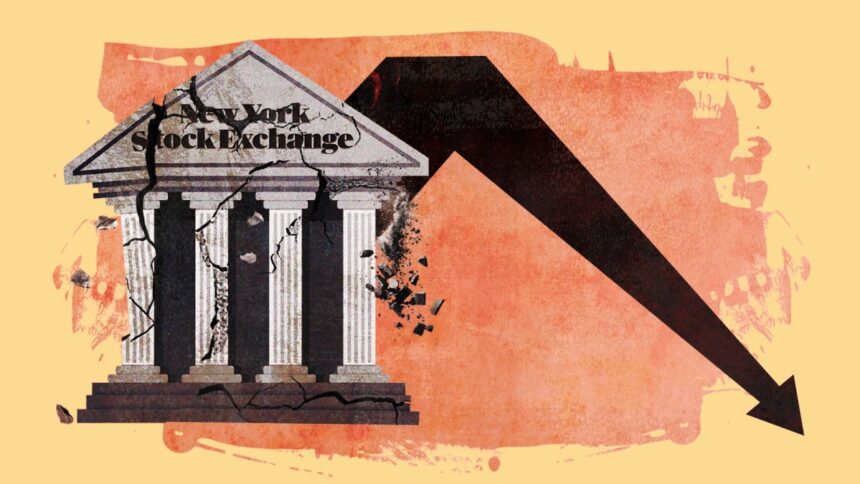
Rich Handler, the long-serving CEO of Jefferies, is no stranger to financial turmoil, having navigated through the dotcom crash, the 2008 financial crisis, and the recent COVID-19 pandemic. Under his leadership for over two decades, Jefferies has faced its share of challenges; most recently, Handler’s optimism was tested when the firm experienced significant losses tied to a failed business venture, First Brands, prompting a 20 percent drop in share value within two weeks.
In an unusual move, Handler issued a letter to shareholders over the weekend, assuring them that the losses from the Cleveland-based company were “readily absorbable.” The unexpected fallout from First Brands, a car-parts manufacturer involved in fraud allegations, raised concerns that this situation could escalate into a broader issue affecting international markets. The alarm was further echoed when a couple of regional lenders in the U.S. noted substantial losses due to questionable loans, intensifying fears of hidden risks within the financial system.
As sentiment in the markets shifted, Barclays shares saw a steep decline of 6 percent on Friday, contributing to a significant drop in the valuation of several London-listed banks. Investors were understandably apprehensive, drawing parallels to the lead-up to the 2008 crisis, a time characterized by uncertainty and unease about concealed risks in the banking sector.
Underlying these anxieties is the rapid expansion of the private credit market, which has proliferated as traditional banks pulled back from lending after the 2008 crash. This alternative lending mechanism, often termed “shadow banking,” has allowed businesses to secure loans independent of conventional financial institutions. However, this sector is less regulated, making it difficult for investors to fully gauge the extent of risks involved. According to PitchBook, the private credit market is poised to increase from $3 trillion in 2025 to $5 trillion by 2029.
Jefferies itself has been significantly impacted by this burgeoning market through its Point Bonita Capital fund, which specializes in debt financing. The implications of the losses prompted sharp scrutiny from industry experts and regulators alike. Kristalina Georgieva, head of the International Monetary Fund, expressed her concern over private credit, revealing that it kept her awake at night.
Recent troubling revelations include Tricolor, a used car retailer that filed for bankruptcy shortly before First Brands’ collapse, both of which are facing fraud allegations. Tricolor’s downfall led JP Morgan CEO Jamie Dimon to alert investors of potential wider ramifications, cautioning that “when you see one cockroach, there’s probably more.”
Market volatility ensued, with the VIX index—often dubbed the “fear index”—climbing to levels reminiscent of last April, signaling heightened investor anxiety. Asian and European indexes similarly reacted, with notable declines across major stock exchanges.
Experts suggest that the relaxing of lending standards in the private credit market may have facilitated these issues. However, some analysts remain cautious about drawing direct comparisons to the mortgage crisis of 2008. They emphasize that present challenges are primarily confined to corporate loans rather than consumer-facing home loans, indicating a potentially more containable situation.
Despite recent turbulence, there are voices in the industry asserting that not all private credit ventures are problematic. Projects like the Hinkley Point C nuclear power station, funded through private loans, exemplify the potential for constructive financial solutions outside the conventional banking framework.
As the landscape shifts, Handler’s recent engagement with shareholders emphasized his commitment to the firm and its employees. He underscored a personal investment in Jefferies, stating, “everything we do is beyond money. It’s personal.” His reassurances seemed to stabilize the situation somewhat, as Jefferies shares began to recover following the communication.
Looking ahead, market analysts ponder whether the turmoil represents a mild tremor or a prelude to larger earthquakes in the financial landscape. As the year closes, the potential for both a “Christmas Santa rally” or an economic downturn remains highly uncertain. The major U.S. indices ended the week on a positive note, buoyed in part by softer tariff announcements from political leaders, painting a complex picture for investors moving forward.