In a controversial move, former President Donald Trump has issued a pardon for Changpeng Zhao (CZ), the CEO of Binance, who was previously facing four months in prison for money laundering charges. This pardon is viewed by some as a strategic maneuver that may pave the way for Binance to resume its operations within the United States, following extensive lobbying efforts aimed at securing favorable conditions for the crypto exchange.
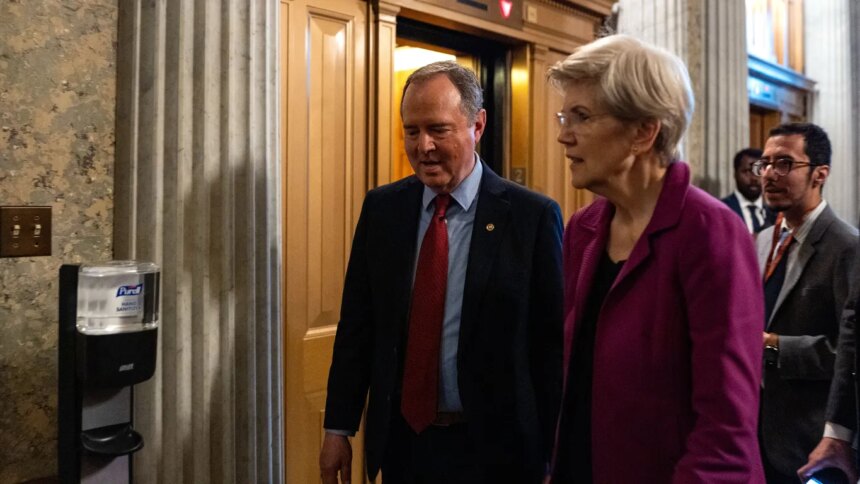
Critics, particularly from the Democratic side, have condemned the pardon as a clear example of corruption. Senators Elizabeth Warren (D-Mass.) and Adam Schiff (D-Calif.), both vocal opponents of Trump, have taken the lead in calling for legislative measures to prevent similar actions going forward. Warren argued that the pardon exemplifies a troubling precedent, noting that CZ’s guilty plea and subsequent financial backing of one of Trump’s crypto ventures raise serious ethical concerns.
The backdrop to this pardon lies in the evolving landscape of cryptocurrency regulation, with the Trump family’s involvement in the crypto sector drawing scrutiny from lawmakers. Earlier this year, Trump’s venture, World Liberty Financial, announced a significant investment collaboration with a state-backed fund from the UAE, further tying his family’s financial interests to Binance.
In response to the pardon, a spokesperson for Binance expressed gratitude, stating, “We thank President Trump for his leadership and for his commitment to make the US the crypto capital of the world.” However, not all political figures share this sentiment. Senator Thom Tillis (R-N.C.) articulated concerns that the pardon sends a negative message, potentially opening the door for future pardons under similar circumstances.
Warren’s remarks encapsulate the concerns surrounding the implications of this pardon on ongoing legislative efforts. She emphasized that if Congress fails to address such instances of perceived corruption in their upcoming crypto market structure legislation, they bear responsibility for allowing lawlessness to prevail.
As negotiations for comprehensive crypto legislation continue in Congress, the timing of the CZ pardon raises questions about potential complications in reaching consensus and establishing a regulatory framework that addresses the evolving dynamics of the cryptocurrency market.