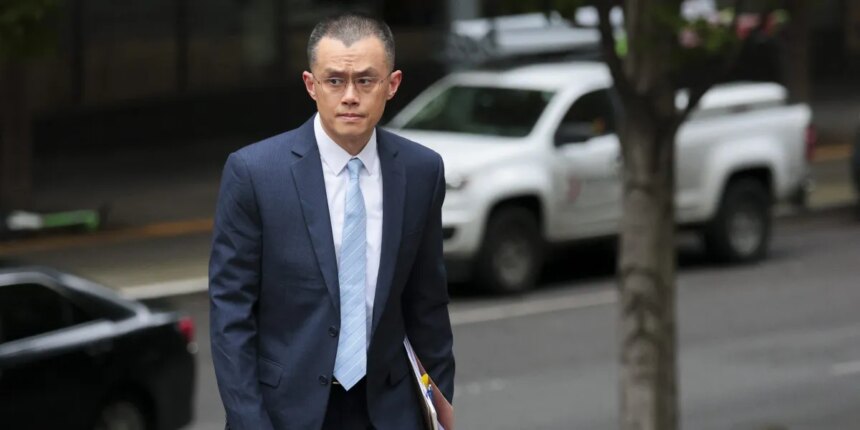
In a controversial move, former President Donald Trump pardoned cryptocurrency mogul Changpeng Zhao, founder of Binance, claiming that Zhao was unjustly “persecuted” by the Biden administration’s Justice Department in what Trump characterized as a “war on cryptocurrency.” This assertion, however, raises eyebrows among analysts and observers who note that Zhao had voluntarily pleaded guilty to significant charges related to his company’s operations under an agreement with former Attorney General Merrick Garland’s Justice Department.
Under this deal, Binance was required to pay $4 billion in fines and Zhao served only four months in a federal prison. Critics labeled the arrangement a “sweetheart deal,” allowing Zhao to retain control of Binance, the company he built into a dominant force in the cryptocurrency market, and to select his successor. This has provoked a backlash from financial reform advocates who argue that it reflects a broader trend of leniency toward corporate crime, particularly in the context of the Biden administration.
Three years ago, Binance was among the largest cryptocurrency exchanges globally and faced allegations of facilitating various illegal activities, including money laundering. Yet critics pointed out that Zhao’s relatively light sentence underscores a pattern of corporate executives avoiding significant repercussions for misconduct. According to an analysis, prosecutions for corporate crime fell to a record low during Biden’s final year in office, further fueling dissatisfaction among progressive critics who have voiced concerns over the treatment of financial wrongdoers.
While it’s true that Zhao is one of the few executives to have served time, it contrasts starkly with the treatment of bankers during the Great Recession, who largely escaped prison for their roles in the housing market collapse. Many observers believe that Zhao’s sentence was shockingly brief, particularly given the serious nature of the accusations surrounding Binance.
The narrative surrounding Zhao’s pardon is complicated by the potential financial ties between him and Trump. Reports indicate that investments connected to the Trump family relied on Binance’s tokens, generating substantial profits for the Trumps. This has led to accusations of overt corruption, with some experts asserting that the pardon may represent one of the most egregious instances of quid pro quo in modern American politics.
In defending his actions, Trump framed the pardon as a necessary corrective to what he termed the Biden administration’s overreach against the cryptocurrency industry. Critics of the administration argue that while the DOJ’s approach may have appeared aggressive towards crypto, it was not singularly focused on the industry and did not attempt to delegitimize it. They contend that the crackdown was more nuanced, chiefly responding to the fallout from major scandals like the collapse of FTX and the associated fraud case against its founder, Sam Bankman-Fried.
As Trump continues to align himself with the cryptocurrency sector, pointing toward his support for its growth, the implications of such pardons remain unsettled. The repercussions for the cryptocurrency industry, regulatory bodies, and public trust in government processes are still unfolding, raising alarms about accountability and the balance between fostering innovation and enforcing legal standards.
Trump’s relationship with the crypto industry, alongside this high-profile pardon, establishes a new chapter in the ongoing conversation about regulation, enforcement, and corporate responsibility in America’s rapidly evolving financial landscape.