In Birmingham, Alabama, Cameron Pappas, the owner of Norton’s Florist, is witnessing firsthand the challenges faced by small businesses amidst significant economic shifts. While the stock market flourishes, buoyed by advancements in artificial intelligence, Pappas finds himself grappling with rising costs and a declining consumer base.
Pappas, who oversees a business that generated $4 million last year through sales of flowers, plants, and gifts, has adopted a meticulous approach to managing expenses. “We’ve just got an eagle eye on all of our costs,” he stated, emphasizing the need to maintain competitive pricing to avoid losing customers. In response to increased costs attributed to tariffs imposed during the Trump administration, he has had to creatively adjust his product offerings, such as reducing the number of stems in floral arrangements to keep prices stable.
Despite the apparent prosperity showcased by AI-related capital expenditures contributing to GDP growth, Pappas’ experience is marked by a stark contrast to the macroeconomic indicators. According to a report from JPMorgan Chase, AI investments significantly outpaced consumer spending, highlighting a divide between the thriving tech sector and the struggles faced by local businesses like Norton’s.
While the U.S. GDP demonstrated a growth rate of 3.8% in the second quarter, the manufacturing sector has seen ongoing contraction, and construction spending remains stagnant due to elevated interest rates and escalating costs related to tariffs. This situation has raised concerns among small business owners who have reported being in “survival mode” as they navigate the economic landscape.
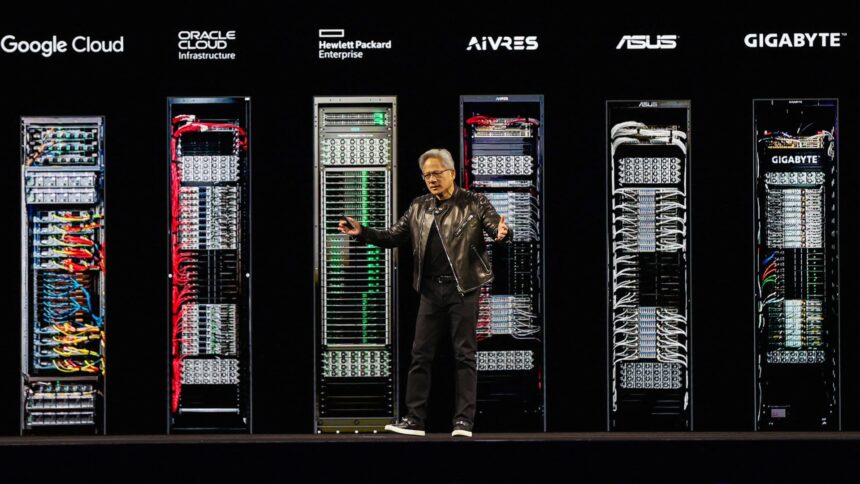
The stock market reflects a disconnect between technological gains and the broader economy. Eight major tech companies, all valued at over $1 trillion and linked to AI innovations, represent a substantial portion of the S&P 500. Their soaring stock prices are contributing to record highs in the market, despite troubling trends in consumer sectors. For instance, Target’s recent announcement of 1,800 corporate job cuts marks its first major layoffs in a decade, illustrating the strain felt within the retail sector.
Consumer sentiment appears to be declining rapidly. A recent Deloitte survey revealed that 57% of respondents expect economic hardship in the coming year, a significant increase from 30% just a year prior; particularly concerning is the anticipated decrease in holiday spending among younger consumers. This sentiment is reflected in seasonal hiring trends, which are projected to fall to the lowest levels since the 2009 recession.
As local businesses face these pressures, many remain unaware of the lucrative AI advancements dominating headlines. Pappas remarked on the profound impact of tariffs, noting that a vast majority of cut flowers in the U.S. are imported from countries heavily affected by trade policies. In response to tariff challenges, he has begun sourcing directly from South American growers to mitigate rising costs.
With the holiday shopping season approaching and consumer confidence dwindling, the outlook remains bleak. The reality for many small businesses is a fragile balance, strained by rising costs, shifting consumer behavior, and the impacts of broader economic policies. As companies increasingly turn to AI for efficiencies, experts warn that the transition may not provide immediate relief and could lead to challenges ahead.
The landscape ahead is unclear, and while the excitement around AI technology continues to dominate the investment narrative, the struggles of small business owners like Pappas highlight the complexities and disparities present in the current economy.