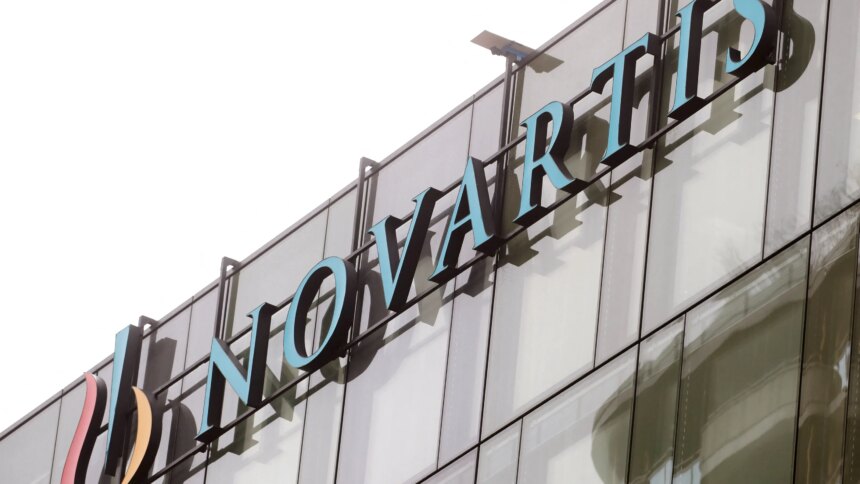
Swiss pharmaceutical giant Novartis announced on Sunday that it has reached an agreement to acquire U.S. biotech firm Avidity Biosciences for approximately $12 billion in cash. This strategic move is aimed at enhancing Novartis’s portfolio, particularly in the area of treatments for rare muscle disorders.
According to the terms of the deal, Avidity stockholders will receive $72 per share, marking a 46% premium over the company’s closing stock price on Friday. This acquisition is part of Novartis’s broader strategy to address the impending patent expirations of several high-revenue drugs like Entresto, Xolair, and Cosentyx.
As part of the arrangement, Avidity will spin off its early-stage precision cardiology programs into a new entity, referred to as Spinco, which is anticipated to become a publicly traded company. Avidity, based in San Diego, specializes in developing innovative treatments for muscle disorders and is advancing several first-in-class drug candidates. Its leading investigational drug, Del-zota, is currently in the early-to-mid stages of development as a treatment for a rare form of Duchenne muscular dystrophy. Additionally, the company is working on two other experimental drugs targeting serious muscle diseases.
With a market capitalization nearing $6.7 billion, Avidity is focused on developing three drug candidates aimed specifically at rare neuromuscular disorders. These candidates utilize a unique technology designed to deliver RNA therapeutics directly to muscle tissue, with expectations for potential approval by 2026.
Following the spin-off, Kathleen Gallagher, currently Avidity’s chief program officer, is set to lead Spinco. This acquisition also positions Novartis to solidify its presence in the U.S. market as it navigates potential challenges posed by tariff threats.
The Trump administration’s tariff proposals have raised uncertainty for pharmaceutical companies. Major firms, including Johnson & Johnson, Roche, and Sanofi, have committed to significant investments in the U.S. in order to adapt to these shifting trade policies. In August, the Trump administration imposed a 39% tariff on Switzerland, resulting in a notable decline in Swiss exports to the U.S. that month; however, pharmaceutical companies were exempted from these initial duties.
Industry analysts highlight that Novartis’s decision to acquire Avidity Biosciences aligns with its previous strategic moves, including the acquisition of Kate Therapeutics—focused on gene therapies for similar neuromuscular diseases—in November. Additionally, Novartis has also made significant investments this year, including a $3.1 billion acquisition of Anthos Therapeutics to expand its cardiovascular offerings, and a $1.7 billion deal with Regulus Therapeutics for a kidney disorder treatment. In the preceding month, Novartis partnered with Matchpoint Therapeutics in a collaboration valued at up to $1 billion, aimed at developing oral medications for inflammatory diseases.