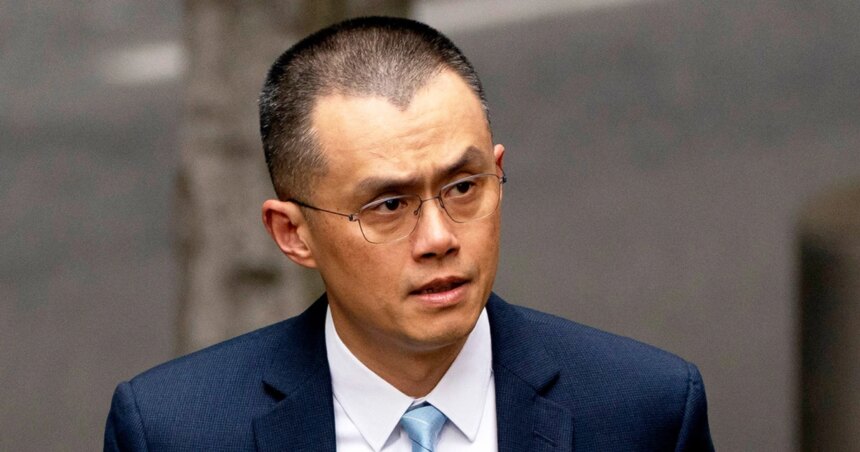
On the morning of Thursday, Oct. 23, Donald Trump made headlines by signing a controversial pardon for Changpeng Zhao, founder of the cryptocurrency exchange Binance. This decision quickly drew attention due to Zhao’s involvement in financing Trump’s stablecoin and his past contributions that reportedly benefited the Trump family financially.
Hours after the pardon, a reporter pressed Trump for an explanation regarding this dubious clemency move. In a striking response, he stated, “I don’t know.” This lack of clarity continued to haunt the president when he later sat down with CBS News correspondent Norah O’Donnell for a “60 Minutes” interview. Despite having a week to reflect on the decision, Trump seemed unable to provide a plausible justification when confronted with Zhao’s legal history, which includes a guilty plea for violating anti-money-laundering laws and concerns over national security.
O’Donnell’s inquiries highlighted the glaring contradictions in Trump’s narrative. She reminded him of Zhao’s legal troubles and the significant implications of pardoning someone who had contributed to challenges facing U.S. national security. When directly asked why he chose to pardon Zhao, Trump deflected, saying, “OK, are you ready? I don’t know who he is.” His attempts to sidestep the controversy only amplified the scrutiny surrounding the pardon.
In an attempt to disentangle himself from the situation, Trump repeated that he was too busy to keep track of such matters and maintained he had no knowledge about Zhao. This defense leaves observers with stark choices: either Trump is misrepresenting the situation intentionally or, alternatively, he might genuinely be disengaged from key decisions made during his presidency. Both scenarios are troubling for a leader in his position.
The implications of the pardon are further complicated by the Republican Party’s narrative regarding President Joe Biden’s pardons, which they claim were granted without his full awareness, often described derisively as done using an autopen. In the same interview, Trump argued that Biden “didn’t have a clue” about the pardons he authorized, pushing back against the idea that the process was conducted with full diligence on Biden’s part.
This situation reveals a political conundrum for Trump. He criticizes Biden for allegedly being unaware of the individuals receiving pardons while simultaneously asserting that he himself pardoned Zhao without knowing significant details about him. The inconsistencies in Trump’s statements raise questions about the overall integrity of his actions, and the lack of a unified response from his team suggests deeper issues within his administration. As scrutiny intensifies, the ramifications of the pardon and the president’s responses will likely continue to dominate political discussions.