Bitcoin’s recent price trajectory has raised concerns among traders and investors, as the cryptocurrency experienced a notable drop from its all-time high just a month prior. Following a peak of approximately $126,000, Bitcoin’s value has slipped significantly, causing fears that the crypto market may be nearing a pronounced downturn.
Despite this decline, Bitcoin remains up about 35% compared to this time last year. Its price experienced significant fluctuations throughout 2025, with a downturn to around $75,000 in April before rebounding. This volatility has been exacerbated by macroeconomic factors, including discussions surrounding the United States’ substantial $38 trillion debt.
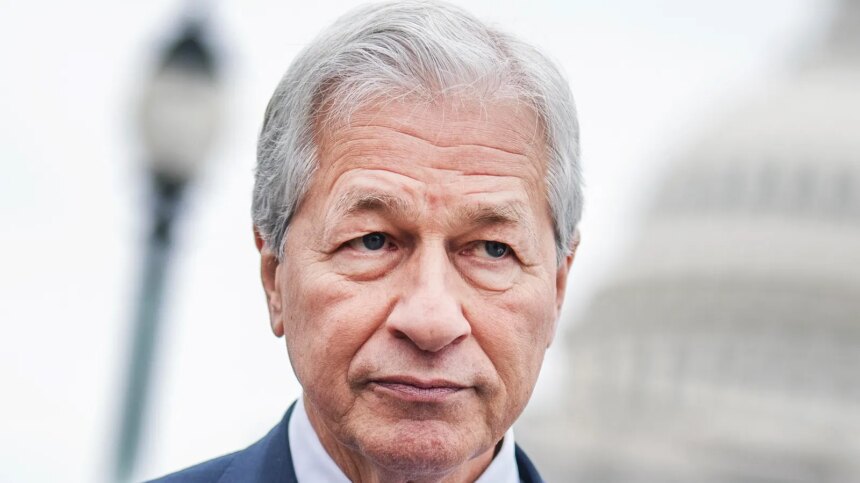
In tandem with this volatility, JPMorgan has observed a notable increase in its clients’ investments in Bitcoin. According to a regulatory filing, the bank’s brokerage clients have increased their bets on Bitcoin through BlackRock’s exchange-traded fund (ETF) by 64% over recent months. Interestingly, JPMorgan CEO Jamie Dimon, who has been a prominent critic of Bitcoin and cryptocurrencies, appears to have softened his stance in light of client demand for exposure to this digital asset.
This shift in perspective aligns with a broader trend on Wall Street, where Bitcoin is gaining traction. BlackRock’s IBIT Bitcoin ETF has quickly emerged as the fastest-growing ETF in history, amassing $80 billion in assets under management at an unprecedented pace, surpassing the previous record holder—the Vanguard S&P 500 ETF.
Amidst these developments, JPMorgan analysts led by Nikolaos Panigirtzoglou have updated their Bitcoin price outlook, asserting that the worst of the volatility is likely behind us. They project a potential surge in Bitcoin’s value, suggesting it could reach $170,000, translating to a market capitalization of $3.5 trillion. This analysis comes as the price is deemed significantly undervalued in light of a volatility-adjusted comparison to gold.
While Bitcoin’s recent downturn has prompted some long-term holders to cash out, analysts note that this selling pressure has not dramatically affected the market. Alex Blume, CEO of investment advisor Two Prime, indicated that the assets being sold are being absorbed by institutional buyers, including ETFs, corporate treasuries, and sovereign wealth funds, which have recently entered the market.
Looking ahead, there are signs that the Bitcoin market might stabilize. Gracy Chen, CEO of the crypto exchange Bitget, pointed to positive inflows into crypto ETFs as a potential indicator of renewed institutional confidence following a period of uncertainty. As investors remain watchful of the evolving market dynamics, the possibility of a recovery could lie on the horizon.