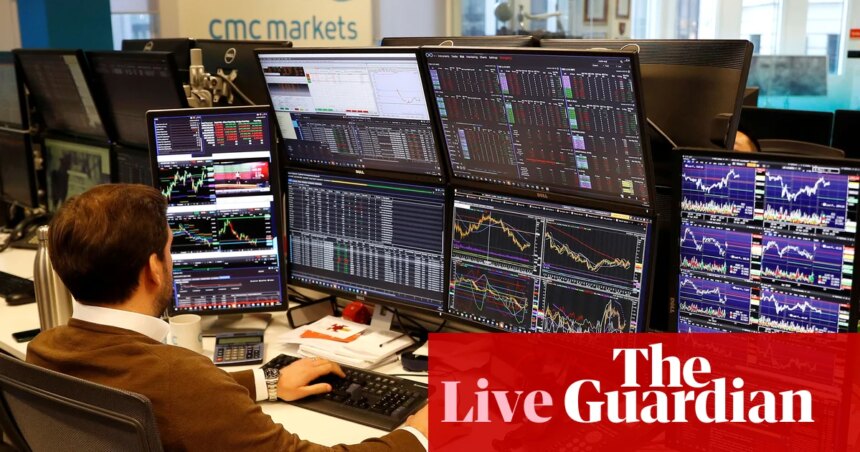
The FTSE 100 has reached a new record high, creating a buzz as it approaches the significant milestone of 10,000 points. In early trading, the index gained 28 points, or almost 0.3%, bringing it to 9,928 points, following a previous peak close.
Leading the charge on the FTSE 100 this morning is SSE, an energy company that has seen its shares rise by 11% after unveiling an ambitious £33 billion investment plan over the next five years, which the company claims will generate attractive growth and returns. Other notable gainers include the tabletop gaming company Games Workshop, up by 4%, and luxury brand Burberry, which added 2.7%.
The FTSE 100’s current rally marks a continued progression for the index, which has demonstrated remarkable resilience throughout the year. Analysts have pointed to various factors contributing to its strong performance. Dan Coatsworth, head of markets at AJ Bell, suggests that amidst global uncertainties, investors are exploring more cost-effective segments of the market, with the UK emerging as a focal point. This shift has attracted foreign investors seeking diverse holdings, particularly benefiting from the presence of many defensive companies that perform steadily, irrespective of economic volatility.
Coatsworth notes that when market conditions become turbulent, investors often favor sectors that provide essential services — such as healthcare and utilities — which remain in demand regardless of broader economic trends. Additionally, the surge in gold prices has positively impacted companies like Fresnillo and Endeavour Mining, while growing government defense expenditures have enhanced outlooks for related contractors.
Despite criticisms about the UK being perceived as an “old economy” market dominated by steady but less exciting companies, Coatsworth argues that this stable environment can be appealing for investors, especially those interested in dividend yields and consistent growth.
In separate financial developments, the UK government announced record-breaking orders for inflation-linked bonds, signaling continued confidence in UK debt amid political chaos in Westminster. The recent auction, which took place despite speculation of a leadership challenge against Labour leader Keir Starmer, attracted more than £69 billion in orders for a bond due in 2038. Analysts believe this robust demand indicates that investors remain undeterred by current political uncertainty.
In the midst of this economic context, the pound experienced a slight dip against the US dollar, falling by a quarter of a cent to $1.3125. Market analysts suggest that concerns over potential political instability surrounding Starmer’s leadership could contribute to volatility in financial markets, particularly regarding government borrowing costs.
Meanwhile, Southern Water has sought to tap the bond markets for nearly £600 million, just days after facing backlash for a major environmental incident involving the spillage of plastic biobeads. With plans to issue both five-year and eight-year sterling-denominated notes, the company also announced a tender offer for existing debt as it grapples with the repercussions of its recent failures.
Amid these financial developments, the Office for National Statistics (ONS) has committed to enhancing the quality of its statistical outputs by reducing survey outputs by around 10% by 2026. This initiative follows an internal review highlighting significant areas needing improvement.
Furthermore, the British housebuilder Taylor Wimpey has reported a slowdown in sales growth, attributing this decline to uncertainties surrounding the upcoming budget. Chief Executive Jennie Daly emphasized the company’s resiliency amid challenging market conditions, underscoring the need for effective demand to support government housing ambitions.
Overall, the UK’s financial landscape remains dynamic, marked by significant market movements, evolving political factors, and shifting investor sentiments as the year progresses.