The U.S. economy currently faces numerous challenges, including rising inflation, significant deficits, and pressures on monetary policy. To gauge the sentiment of everyday Americans regarding their financial situations, a team ventured into the streets of New York City. Responses varied widely, reflecting a deep concern among many.
One respondent expressed anxiety over basic expenses, stating their primary worry was simply “staying afloat” amid rising rent and food prices. Another individual shared similar sentiments, commenting on the escalating costs of living, particularly rent, and noted the difficulties new graduates face in a tough job market, which they believe indicates a downturn in the economy. A third individual added to the mix of concerns, describing widespread confusion over changing tariffs and their effects on pricing.
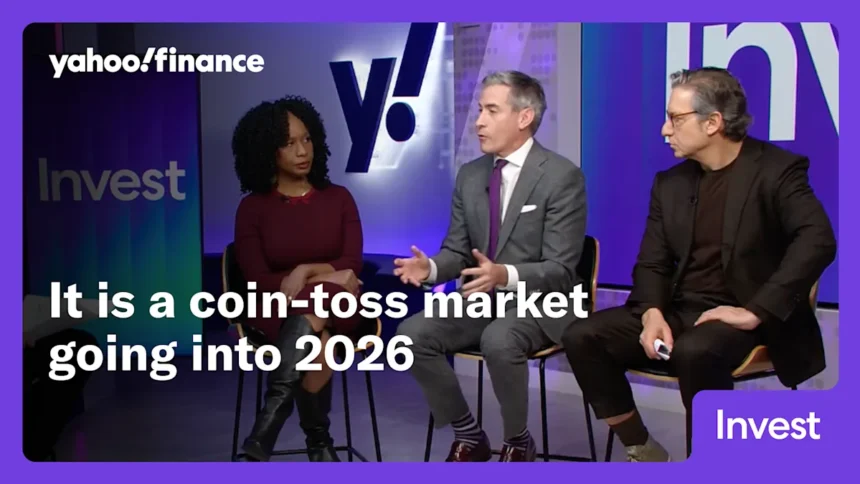
With these unsettling consumer perspectives in mind, a panel discussion unfolded, featuring insights from leading economists and market strategists. ADP Chief Economist Nela Richardson emphasized the complexity of the current economic landscape, noting a resilient GDP but a cooling labor market characterized by slowed hiring momentum. According to Richardson, while consumers have enough stability to continue spending, the uncertainties loom larger for low-income individuals, potentially impacting their purchasing power.
Truist Chief Investment Officer Keith Lerner contributed his outlook for the upcoming year, suggesting a modest uptick in the economy. This improvement, he noted, could stem from anticipated Fed interest rate cuts, new tax incentives for consumers and businesses, and clearer insights on tariffs. His prediction pointed toward potential growth rates above 2% as the economy navigates through these turbulent waters.
Meanwhile, Caleb Silver, Chief Business Editor at Investopedia, described investors as “cautiously optimistic,” noting the stock market’s current highs and strong corporate profits. However, concerns linger regarding how broader economic weaknesses may eventually affect stock performance. Silver observed a growing number of retail investors, indicating a greater participation in the stock market, but expressed that the divergence between the market’s performance and individual financial situations could influence overall investor sentiment.
The panel discussion also delved into the Federal Reserve’s monetary policy strategy. Richardson pointed out that navigating the current economic state is particularly challenging for the Fed, which must consider inflation levels that have exceeded targets for several years. This “muddled middle” presents a tight spot for policymakers.
With exploration into factors impacting the labor market, Richardson highlighted a structural shift affected by demographics, immigration policies, and the rise of artificial intelligence (AI) in the workplace. She noted that while big companies garner much media attention regarding AI, it is smaller companies that are critical for job creation and thus warrant close observation.
As the panel projected toward 2026, conversations circled back to the implications of AI in the market. Both Lerner and Richardson acknowledged the significance of AI, exploring whether investments in AI-related technologies could indicate a bubble. Lerner dismissed bubble fears based on current valuations, while stressing the need for caution given higher debt levels among companies investing in AI infrastructure.
Overall, as economic uncertainties and concerns regarding individual financial health persist, the dialogue among economists and market experts reveals a complex interplay between consumer sentiment and market dynamics. As discussions continue, many keep a watchful eye on key indicators that could shape the financial landscape in the coming years.