US stock futures experienced a pause on Friday following Wall Street’s most significant sell-off in over a month. Investors appeared to exit positions in technology stocks as confidence waned regarding the prospect of an interest rate cut in December.
Futures for the Dow Jones Industrial Average and the S&P 500 hovered just below the flat line, while contracts for the tech-heavy Nasdaq 100 slipped by 0.1%. This cautious rebound comes after all major indexes witnessed steep declines in the previous trading session. The Dow erased its record-setting gains that had previously seen it surpass the 48,000 mark for the first time, and the Nasdaq Composite suffered the largest losses, with notable declines among heavyweights like Nvidia, Broadcom, and Tesla.
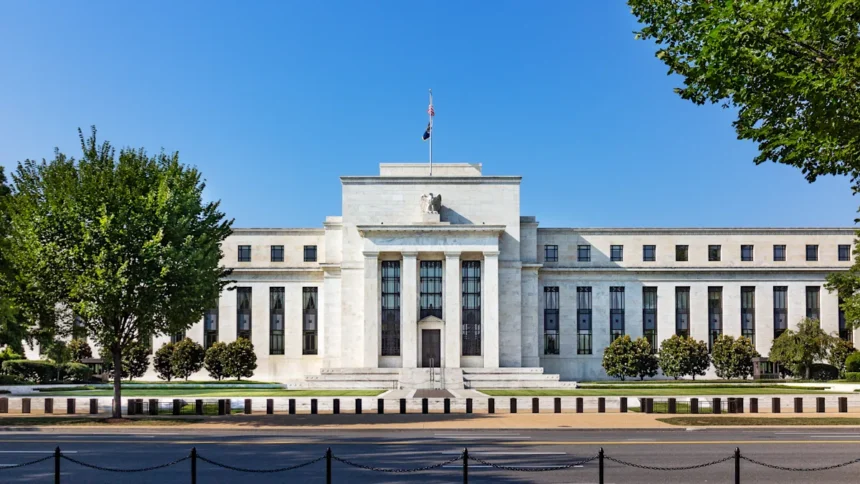
The shifting sentiment can be largely attributed to growing uncertainty surrounding the Federal Reserve’s impending policy decisions. The recent end of the six-week government shutdown, which initially buoyed market optimism, now raises new questions about the health of the US economy. Traders are currently assigning a roughly 52% probability to a quarter-point rate cut in December, a sharp decline from nearly 63% the day prior and a steep drop from over 95% just a month ago.
In recent statements, several Federal Reserve officials have adopted a more hawkish tone. Neel Kashkari, the President of the Federal Reserve Bank of Minneapolis, indicated that recent economic data continues to demonstrate resilience, implying a preference for maintaining current rates. He did acknowledge, however, that he could advocate for either policy option.
As the government reopens, there remains a level of uncertainty regarding the release of data and its potential impact. Markets had anticipated the resumption of critical economic indicators, but the White House has warned that “all of that economic data released will be permanently impaired,” adding to investor caution.
In the commodities market, gold prices have seen a rise in response to the instability stemming from the government shutdown, as demand for safe-haven assets increases. Following a month-long decline, gold appears to be benefiting from heightened investor anxiety regarding economic data and the overall market environment.