US stock futures experienced a significant drop on Friday, indicating that Wall Street is poised for its sharpest sell-off in over a month. This decline is being driven by diminishing confidence in a potential interest-rate cut in December, which is placing added pressure on riskier assets, particularly in the technology sector.
Specifically, Dow Jones Industrial Average futures fell approximately 0.6%, while S&P 500 futures dropped nearly 1%. The tech-heavy Nasdaq 100 futures were hit the hardest, with a decline of around 1.5%. Following Thursday’s troubling trading session, which marked the steepest one-day declines seen in over a month for the major indexes, the overall sentiment in the market remains negative.
Technology companies are at the forefront of this turbulence. Concerns over artificial intelligence have led to investor withdrawals from high-valuation tech stocks. For instance, Tesla shares plummeted nearly 4% in premarket trading, breaking below the critical $400 mark, after experiencing its worst day since July. Similarly, shares of Nvidia fell around 3%.
In the cryptocurrency sector, Bitcoin also faced challenges, sinking below the $96,000 threshold for the first time in over six months. This decline represents a more than 20% drop since reaching its peak earlier in October.
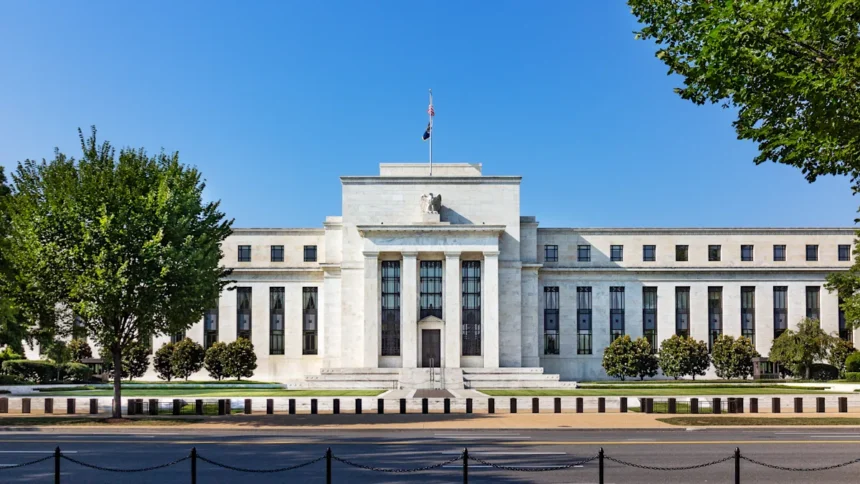
Investor concerns have escalated, particularly regarding the Federal Reserve’s approach to monetary policy. Officials have adopted a more hawkish tone, making it increasingly likely that the pace of easing will slow. Current market expectations reflect a less than 50% chance of a quarter-point rate cut next month, a sharp decline from approximately 95% just a month ago. Neel Kashkari, President of the Federal Reserve Bank of Minneapolis, highlighted the “resilience” of the US economy coupled with persistent inflation worries, further dampening hopes for immediate rate cuts.
Uncertainty surrounds upcoming economic data releases, especially given the recent six-week federal shutdown that has clouded insights into price pressures and labor market conditions. The reopening of the government has left questions about the nature and timing of forthcoming data.
In response to rising food prices, which have become a focal point for voters in recent elections, President Trump is reportedly preparing to implement substantial cuts to tariffs. These measures, coupled with potential trade agreements with countries like Argentina and Brazil, aim to make food staples more affordable.
As the tech sector continues to grapple with these economic dynamics, Oracle has come under particular scrutiny, as its stock fell more than 1% due to investor concerns regarding its significant bets on AI initiatives funded through borrowing.
In related market movements, Warner Bros shares rose 3% amid news of bidding interest from major companies including Paramount and Netflix. Whirlpool’s stock also saw a 3% increase after investor David Tepper’s Appaloosa Management acquired a sizable shareholding. Conversely, Applied Materials’ shares fell 5% after revealing a slowdown in revenue, despite an optimistic outlook for its first-quarter forecast.
In the cryptocurrency market, Bitcoin’s ongoing decline worsened with reports indicating nearly $900 million in investor withdrawals from funds linked to the digital asset. Following a significant liquidation of $19 billion on October 10, the broader crypto market has struggled, with over $1 billion in leveraged bets eliminated within the last day.
On a more positive note, gold prices experienced a rise, as uncertainty surrounding economic data and the implications of the federal shutdown have driven investors towards this traditional haven asset.