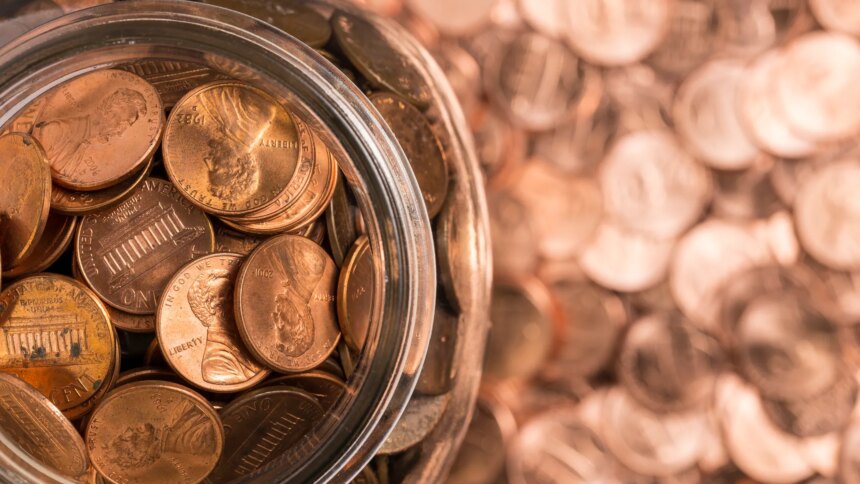
The recent decision by the U.S. Mint to halt production of pennies has sparked discussions about the potential impact on language and culture. Many Americans were already experiencing shortages of pennies before the final coins were minted, raising questions not only about the currency itself but also about the colloquialisms and idioms that have become ingrained in everyday speech.
As phrases like “A penny for your thoughts” and “Worth every penny” echo in conversation, a future without the penny compels us to wonder: will these sayings fade into obscurity? Could we see replacements, such as “a nickel for your thoughts,” arise instead? The cost of producing a penny—3.69 cents—has already made the adage “A penny saved is a penny earned” somewhat paradoxical, as the government stands to lose money by continuing to mint the coin.
Philip Duncan, an assistant professor of linguistics at the University of Kansas, notes the unpredictable nature of language. While idioms can endure over time, they may also lose relevance, especially if the objects or concepts they reference become obsolete. Colin McIntosh, chief editor at the Cambridge Dictionary, emphasized that although the penny’s role in daily life is changing, many related phrases will linger for some time. However, as cultural references become less immediate, terms may eventually feel outdated—much like the term “penny candies,” which no longer resonates with modern consumers.
Interestingly, some phrases related to pennies have already fallen out of use, revealing a shift in societal meanings. Younger generations, including Gen Z, often find traditional penny idioms unfamiliar. A Harris Poll indicated that over half of Gen Z members use physical cash only as a last resort, reflecting a generational shift toward digital transactions and a growing disconnect from coin-related expressions.
Betsy Sneller, a linguistics professor at Michigan State University, observed that among oral history participants, the youngest individual to use any penny-related phrases was 36 years old. In contrast, the expression “my two cents” has gained traction among younger groups, illustrating how some phrases can adapt and evolve in a modern context.
Matthew Gordon from the University of Missouri-Columbia suggests that while direct references to coins may diminish, phrases like “worth every penny” may persist because they represent broader concepts of value rather than literal currency. He points to the example of “bit,” a term for a fraction of a dollar that remains in circulation despite the passage of time and changes in monetary practices.
The future of penny-related phrases remains uncertain. However, linguists agree that expressions associated with money can retain their cultural significance and social capital, even in a cashless society. Whether these idioms will continue to thrive or fade into obscurity may depend on the evolving relationship between people and currency, as well as the meanings they ascribe to words in an increasingly digital age.