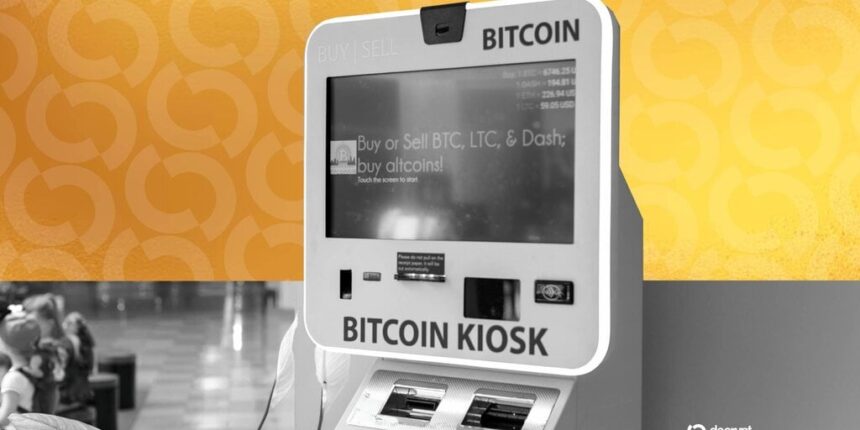
Crypto Dispensers, a prominent Chicago-based operator of Bitcoin ATMs, is reportedly considering a potential sale of the company valued at approximately $100 million. This announcement comes shortly after both the company and its founder and CEO, Firas Isa, were charged by the U.S. Department of Justice in connection with an alleged money laundering scheme involving $10 million.
Isa and Crypto Dispensers have both pleaded not guilty to the charges, which involve a single conspiracy charge that could carry a maximum prison sentence of 20 years. The Department of Justice alleges that Isa’s company received funds from both victims and criminals via its ATM network, raising significant concerns regarding compliance with know-your-customer (KYC) regulations designed to prevent such illicit activities. Prosecutors claim that Isa converted these questionable funds into cryptocurrency and transferred them to various wallets, circumventing regulatory checks.
If found guilty, Isa and Crypto Dispensers could face severe consequences, including the forfeiture of assets linked to the alleged crimes, with authorities also empowered to pursue substitute assets as necessary.
In light of these developments, Crypto Dispensers announced on Friday that it is evaluating the possibility of a sale as part of a strategic move to understand the next phase of growth for the company. Isa emphasized the importance of determining the best path forward to maximize the value of the platform. The company has engaged advisors to assist in this review, particularly as consolidation trends become more pronounced across the cash-to-crypto and digital asset infrastructure sectors.
Market conditions are also factoring into this decision, as cryptocurrency prices have experienced significant volatility. Bitcoin has recently seen declines, falling to nearly $81,000—its lowest point since April—after reaching a record high of $126,000 earlier in October.
While attempts to reach Crypto Dispensers for clarification regarding potential buyers or the implications of the U.S. charges have not yet received a response, the unfolding situation highlights the intersection of regulatory scrutiny and market pressures within the cryptocurrency industry.