Holiday travelers and shoppers are urged to remain vigilant against a rising wave of scams designed to exploit the festive season. The Better Business Bureau (BBB) highlights threats from fake travel websites that can potentially siphon off not only cash but personal information from unsuspecting users. As people look forward to making holiday purchases or traveling to see loved ones, con artists are prepared to take advantage of the hustle and bustle.
Reports suggest that packages consumers did not order may arrive at doorsteps as part of a new hacking scam. These packages are designed to lure individuals into scanning QR codes that lead to phishing sites or malware installations. Alongside this, consumers may encounter social media advertisements that promise desirable items but ultimately deliver subpar or non-existent products instead.
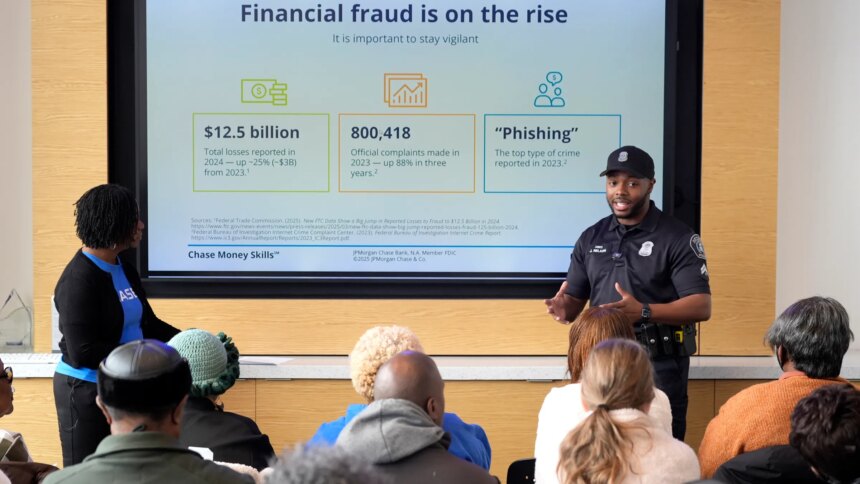
During this time, families often connect over phone calls, seeking suggestions for gift ideas. Tragically, scammers have capitalized on this sentiment, using artificial intelligence to create convincing audio that mimics the voices of trusted relatives calling for financial assistance or special gifts. Detroit Police Officer Jalon Nelson warns that these types of “AI voice scams” are becoming increasingly common, replacing older tactics such as the “grandparents scam.” Criminals often conduct thorough research to make their pleas more believable, which heightens the risk for those on the receiving end.
As the holiday shopping rush ramps up, fraud expert Gail Taylor from Chase reported a notable increase in scams. She emphasizes the importance of consumers remaining cautious, especially when booking travel or shopping online. In a recent workshop, Taylor and Nelson provided seniors with resources to help identify potential fraud during this peak season. Commenting on the demand for holiday travel and the complications arising from recent flight cancellations, they advised that fake travel brokers may contact customers for additional personal information under false pretenses.
Furthermore, common scams involve impersonating legitimate businesses. For example, scammers may erroneously inform travelers that their flights were canceled, prompting them to pay additional fees. Chase recommends that consumers research travel sites by looking up terms like “scam” or “complaints” to ensure they are making safe transactions.
Throughout the holiday season, shoppers are also at risk of falling for enticing offers. Many report losses due to misleading advertisements on social media, with one individual losing $50 on a promotional deal that resulted in receiving cheap plastic items instead of the advertised products. Another consumer lost $26 to a TikTok ad promoting hoodies at a fraction of their actual price, exemplifying the dangers inherent in online shopping at this time of year.
As scammers ramp up their tactics, both Taylor and Nelson encourage consumers to take their time and verify the legitimacy of any communications before proceeding with purchases or revealing personal information. Chase advises caution against pressure tactics used by criminals, urging individuals to pause and assess situations critically.
With the onset of Black Friday deals and holiday promotions, potential buyers are reminded to scrutinize websites, looking for secure URLs and signs of authenticity. Gift card scams are also prevalent, with many third-party sites reportedly selling expired or fraudulent cards.
As the delivery season approaches, consumers are warned to be wary of unsolicited packages. The emergence of “brushing scams,” where unsolicited goods come accompanied by QR codes, poses a new threat as these codes may lead users to malicious websites or prompt malware downloads.
Lastly, individuals are advised to exercise caution during unexpected phone calls and emails, particularly those that create a sense of urgency. Avoiding hasty reactions can help curb the risk of falling victim to scams that may come in the guise of legitimate retailers or even loved ones in distress.
As holiday shopping activities surge, consumers are urged to remain sharp, double-checking any deal or communication that seems off. Protecting personal information, opting for secure payment methods, and staying informed about the latest scam tactics are essential steps for ensuring a safe and joyous holiday season.