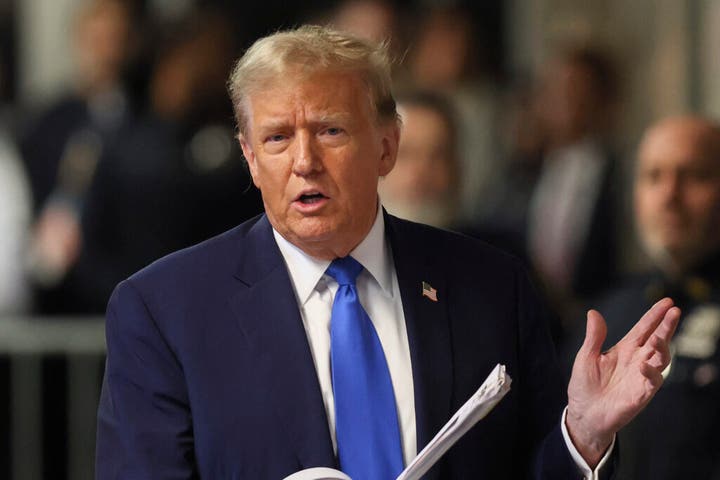
The recent establishment of a “strategic national digital assets stockpile” under the Trump administration faces potential challenges, as a new report suggests it may be grappling with unrealized losses. Earlier this year, President Trump initiated two federal cryptocurrency holdings: the Strategic Bitcoin Reserve and the broader Digital Asset Stockpile. Despite a mandate requiring full disclosure of these assets, the government has yet to provide a comprehensive accounting, leading to increased speculation and uncertainty regarding their value.
Most of the digital tokens accumulated in these reserves have come from various sources such as criminal seizures, civil forfeitures, and large bankruptcy liquidations. The lack of transparency has necessitated reliance on third-party blockchain tracking services for information, with Arkham estimating that the U.S. holds about $27 billion in cryptocurrency across its wallets. However, discrepancies have surfaced among major data providers regarding the actual size of the Bitcoin reserve, which is said to range from approximately 198,012 to as high as 326,000 BTC.
Incorporating other cryptocurrencies like Ethereum, XRP, Solana, and Cardano into the asset portfolio, the performance since April 5 reveals a mixed narrative. Ethereum has seen a significant increase of approximately 49%, while others such as XRP and Cardano have recorded losses of 11% and 39%, respectively. The overall median return across these assets sits at around -4.5%.
When expanding the assessment to include a broader range of assets believed to be under U.S. custody—including BNB, Uniswap, Chainlink, Aave, The Sandbox, Shiba Inu, and Band Protocol—the returns become even more disheartening. Excluding stablecoins and Bitcoin results in a median return that plummets to -10%, greatly impacted by the performance of metaverse and AI-focused tokens.
While the Strategic Bitcoin Reserve has attracted considerable attention, only Bitcoin appears to have been included in the federal reserve program, indicating a distinct separation for altcoins, which reside within the Digital Asset Stockpile. This structure operates without any public disclosures, official registry, or reporting portal for taxpayers, further fueling speculation about the potential scale of the government’s digital asset holdings and associated risks.
Concerns over unrealized losses have been voiced, particularly regarding significant holdings that could reflect negatively on the government’s balance sheet. As the situation develops, the lack of public visibility into these digital assets continues to nourish uncertainty and speculation among analysts and the general public alike.