As one of the biggest shopping days of the year, Black Friday draws millions of consumers eager to score deals. However, the day presents a mixed bag for business operations, as it isn’t a federal holiday and many establishments may choose to close. This impacts not only shopping but also financial activities, as banks and stock exchanges operate on adjusted schedules.
For investors and traders, Black Friday typically features reduced trading hours. According to the New York Stock Exchange, markets close early on this day, with the last trades for standard stocks concluding at 1 p.m. Eastern Time, and for select options at 1:15 p.m. Eastern Time.
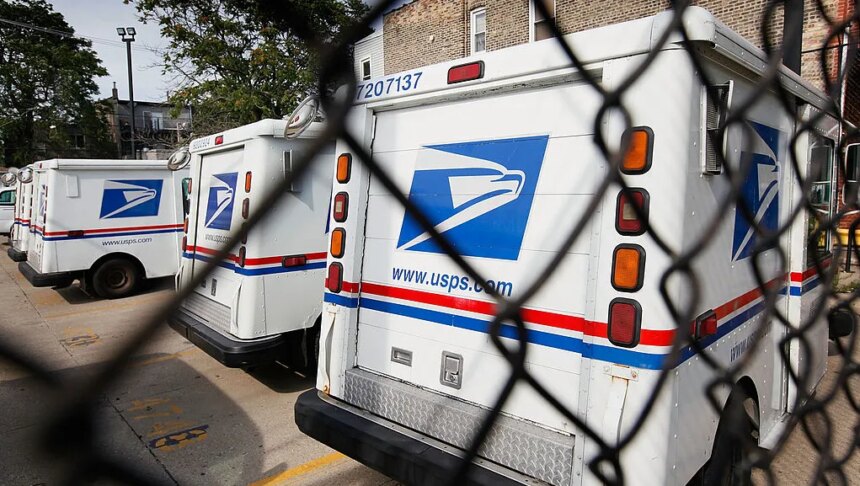
In terms of postal services, the United States Postal Service has confirmed that post offices will resume normal operations after being closed on Thanksgiving Day. Customers will still be able to access postal products and services through more than 2,600 self-service kiosks available in select lobby areas across the country.
Regarding banking operations, most banks remain open on Black Friday, although there are exceptions. Citizens Bank has announced that its branches will be closed, while Chase does not recognize the day as a holiday and will keep its branches operational. Bank of America also confirms that its financial centers will be open, not designating Black Friday as a holiday.
When it comes to shipping services, both UPS and FedEx will continue to function on Black Friday. UPS has indicated that its locations will remain open for standard pick-up and delivery services. Meanwhile, FedEx confirmed that while it will have modified service—including early on-call and drop box pickups in select areas—certain divisions such as FedEx Freight will be closed, though others like FedEx Office and FedEx Logistics will be available.
As consumers prepare for the shopping frenzy, understanding the operational status of these essential services can help streamline their plans for the day.