Stock futures trading was temporarily halted this morning due to a “cooling issue” at a data center, disrupting several services at the Chicago Mercantile Exchange (CME). However, individual stock trading remained operational prior to the market’s opening. The CME confirmed that full trading for futures indexes and options would resume at 8:30 a.m. ET. As the trading week wraps up early today at 1 p.m. ET, the stock market has seen a rebound during the holiday-shortened week, though the three major indexes are still positioned to finish November in the red. The Dow and S&P 500 are on track to break six-month winning streaks, while the Nasdaq Composite is poised for its first negative month in eight.
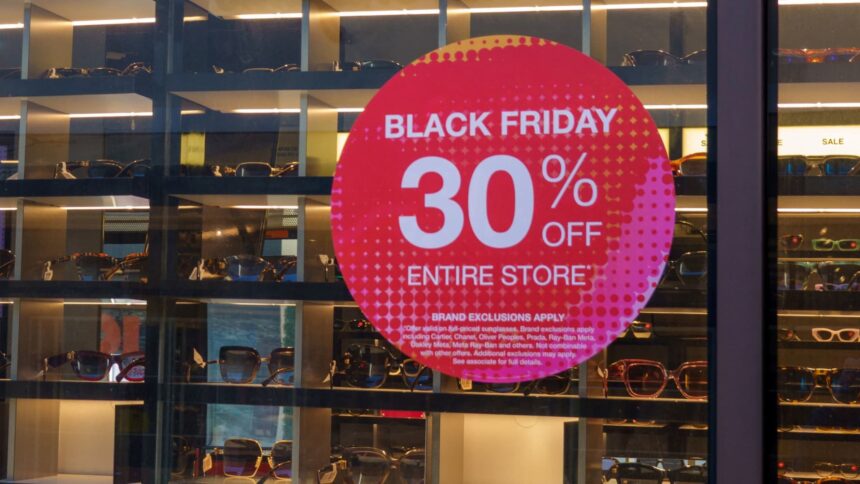
As the holiday season approaches, Black Friday is evolving with changing consumer habits. While millions still participate, the once-mighty in-person shopping day has seen a notable decline in foot traffic, which has remained flat for several years. Online sales have surpassed brick-and-mortar spending in recent years, driving retailers to adjust their marketing strategies. Deloitte reported that consumers are expected to spend an average of $622 from November 27 to December 1, a 4% decrease from last year. Interestingly, Gen Z shoppers show the most enthusiasm for the sales, while older generations tend to wait until closer to Christmas.
In a positive turn for the tech sector, Alphabet has emerged as a standout amid a broader tech downturn, with its shares surging over 13% this month, fueled by its advancements in artificial intelligence. The company launched its new tensor processing units, Ironwood, earlier this month, followed by the release of its AI model, Gemini 3, which has garnered significant attention from industry leaders. Alphabet’s stock is now up nearly 70% for the year, making it the top performer among major tech companies. Yet, experts warn that its lead in the competitive AI landscape could be precarious.
Additionally, the competition within the tech sector continues to intensify. Alibaba has entered the market with its AI-powered smart glasses, the Quark AI Glasses, going head-to-head with Meta’s recently released smart glasses. Meanwhile, Apple is anticipated to surpass Samsung in smartphone shipments for the first time in 14 years, bolstered by strong sales of the iPhone 17.
On the consumer front, American interest in South Korean cosmetics is sharply rising, with U.S. sales of K-beauty products projected to increase over 37% this year, reaching beyond $2 billion. Major retailers like Ulta and Sephora, along with big-box stores such as Walmart and Costco, are capitalizing on this trend. Moreover, Olive Young, known as the “Sephora of Seoul,” plans to open its first U.S. location in Los Angeles next year, reflecting the growing demand for Korean beauty products.
As investors monitor these developments, the changing landscape of retail and technology continues to shape market dynamics and consumer preferences.