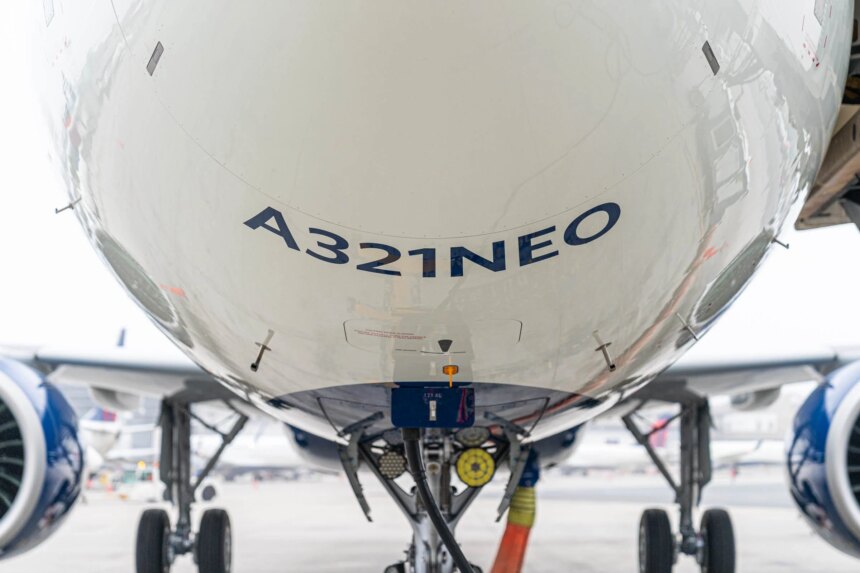
European planemaker Airbus issued a critical directive on Friday, urging airlines to implement an immediate software fix on thousands of A320-family jets worldwide. This urgent measure addresses a significant bug that could potentially impair flight control during operations, particularly in the event of solar flares.
The necessity for this software update was underscored by recent analysis surrounding an incident involving a JetBlue A320. The aircraft, which was en route from Cancun International Airport in Mexico to Newark Liberty International Airport in New Jersey on October 30, experienced a swift drop in altitude, resulting in injuries to 15 passengers. This alarming situation prompted Airbus to investigate the effects of “intense solar radiation” on critical flight control data.
More than 6,000 aircraft globally are affected, which constitutes over half of the global A320 narrow-body fleet. The incident has prompted various airlines, particularly in the U.S., to act quickly. Data analytics firm Cirium reported that 1,622 A320 jets are currently operational in the U.S. However, not all of these aircraft fall under the scope of this software update requirement.
Fortunately for airlines preparing for the post-holiday travel rush, the fix itself is relatively straightforward and quick, taking approximately two hours to implement. American Airlines, which operates the largest fleet of A320-family jets, reported that out of 475 planes in service, 209 are affected by the issue. As of the evening of the directive, fewer than 150 of these aircraft were still undergoing the necessary updates, with most expected to be completed by Saturday morning. A spokesperson for the airline emphasized that safety remains their top priority and expressed gratitude for customers’ understanding during this situation.
Delta Air Lines, boasting a fleet of 305 A320-family jets, indicated that the impact of this software fix would be limited, identifying fewer than 50 A321neo aircraft needing the update. The airline anticipates completing the necessary work by Saturday morning without significant disruption to operations.
United Airlines, with 201 A320-family jets in its fleet, revealed that only six planes would require the software fix, suggesting minimal impact on their scheduling. JetBlue, operating 220 A320 aircraft, has not yet issued a public response regarding the situation.
Internationally, however, the repercussions have been more pronounced. Colombia’s Avianca Airlines reported that over 70% of its fleet was affected by the bug, prompting the airline to suspend ticket sales for travel through December 8.
As the issue unfolds during one of the busiest weekends for U.S. air travel, with many returning home after Thanksgiving festivities, passengers are advised to check their flight status through their airline’s app for real-time updates. Meanwhile, the industry remains vigilant in addressing any potential disruptions resulting from this issue.