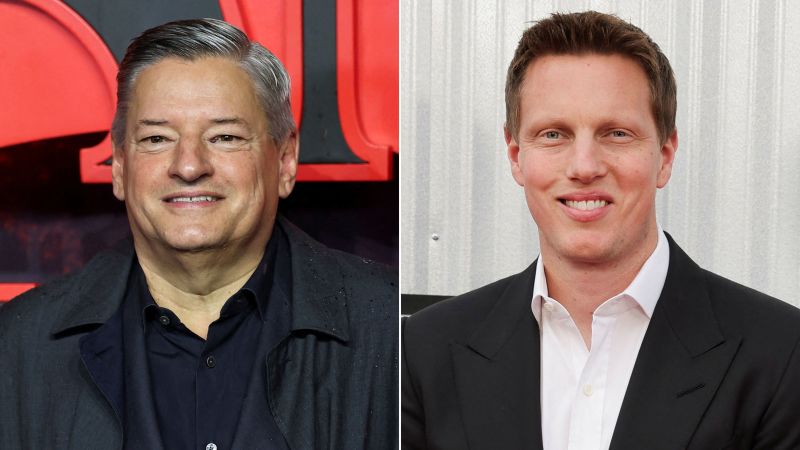
In a significant development within the media landscape, Netflix has emerged as the highest bidder for Warner Bros. Discovery’s studio and streaming assets. This milestone, reported by insiders familiar with the proceedings, reflects a burgeoning competitive atmosphere in Hollywood.
On Thursday, Netflix submitted an offer that suggests a valuation of approximately $28 per share for Warner Bros. studio and HBO Max, among other related entities. This latest bid positions Netflix at the forefront of a heated bidding war, especially as rival Paramount also presented a new offer of nearly $27 per share on the same day.
However, the nature of the bids varies as Paramount is aiming to acquire the entirety of Warner Bros. Discovery, which includes assets such as CNN and additional cable channels. In contrast, Netflix, along with Comcast, appears focused solely on the studio and streaming components. The intense interest in Warner Bros. Discovery has garnered attention not only from industry professionals but also from political circles, including the Trump administration.
While representatives from the involved companies have refrained from commenting, leaks suggest that Netflix is currently in a favorable position. Paramount’s legal team has voiced concerns regarding the auction process, accusing Warner Bros. Discovery of favoring a single bidder, interpreted to be Netflix. Analysts speculate that this discontent could serve as a precursor to a more aggressive takeover strategy by Paramount under the leadership of new CEO David Ellison.
Late Thursday, it was reported that Netflix and Warner Bros. Discovery had entered into exclusive discussions, signaling a potential future convergence. Ellison had initiated this auction process earlier in the season by putting forth multiple bids. Analysts had anticipated the unfolding bidding war, a rarity in the industry, particularly as iconic studios seldom become available for acquisition.
Warner Bros. Discovery’s CEO, David Zaslav, had earlier signaled intentions to split the company into two publicly traded entities. This move came after the company faced significant pressure to take action following a steep decline in stock price post-merger, dropping from approximately $25 per share to a low of $7.52. Although plans for the split revitalized the stock earlier this year, subsequent bids from Paramount caused shares to rebound toward $25.
Amid the escalating bids, Paramount maintains it will adhere to a disciplined approach regarding the acquisition efforts. Meanwhile, Zaslav’s team argues that the proposed split would best optimize the value of Warner Bros. Discovery, with one portion housing its film and streaming assets, and the other including CNN and various cable channels.
Notably, analysts are scrutinizing the implications of a potential collaboration between Ellison and the Trump administration. Reports suggest that Ellison may have garnered favor with influential figures in the current political landscape, which could facilitate the regulatory processes surrounding any acquisitions. Trump’s prior support for Ellison and the relationships forged through significant political donations have raised eyebrows, leading to perceptions that Paramount could have a strategic advantage as it pursues the merger.
However, any potential acquisition could lead to a protracted review process in Washington, where the administrations can influence regulatory outcomes. Paramount representatives assert that their offers are structured in a manner likely to receive regulatory approval while keeping rival bids from Netflix in a precarious position.
Across the Atlantic, a sale involving Warner Bros. Discovery’s assets would also attract scrutiny within various international markets, raising concerns about the broader implications of consolidation in media ownership. With reports of Netflix as the leading contender for Warner Bros. Discovery’s assets, some political figures have begun to express worries regarding the transaction’s competitiveness, emphasizing the antitrust concerns that could arise should the deal come to fruition.
The stakes of this bidding war not only underscore the fervor within the entertainment sector but also reflect on the intricate interplay between media, politics, and public policy in an evolving landscape.