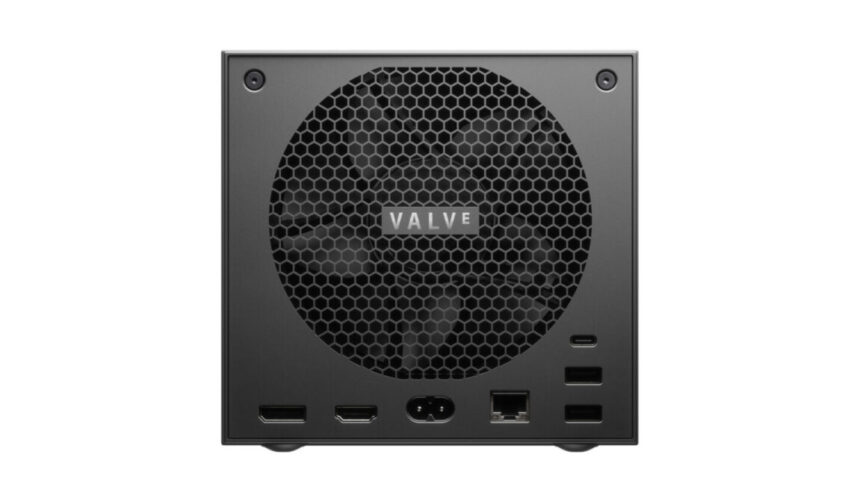
In a recent communication with Ars, Valve provided insights into the specifications of its soon-to-be-released Steam Machine hardware, specifically addressing the use of HDMI output standards. While the initial spec sheet for the Steam Machine highlighted support for HDMI 2.0, Valve revealed that the hardware is technically capable of supporting the newer HDMI 2.1 standard. However, the company is facing challenges in providing complete functionality due to current limitations in Linux drivers.
The HDMI Forum, which governs HDMI specifications, has imposed restrictions that prevent any open-source implementations of HDMI 2.1. This situation has created hurdles for developers, particularly regarding the open-source AMD drivers employed in SteamOS, which are unable to fully leverage the features offered by the new standard. AMD engineer Alex Deucher previously noted that achieving a fully compliant open-source HDMI 2.1 implementation isn’t feasible without contravening the HDMI Forum’s guidelines.
These complications have necessitated Valve to validate the HDMI 2.1 hardware of the Steam Machine through Windows-based testing. In discussions, a Valve representative elaborated on ongoing efforts to enhance HDMI performance in SteamOS. One significant focus has been on addressing the resolution and frame-rate constraints associated with HDMI 2.0. Typically capped at 60 Hz for 4K outputs, Valve has managed to circumvent these limitations, achieving an improved performance rating of “4K @ 120Hz” on the Steam Machine’s spec sheet. This enhancement has been made possible through a technique known as chroma sub-sampling.
As the gaming community eagerly anticipates the launch of the Steam Machine, it remains to be seen how Valve will navigate these technical challenges and what implications they may have for user experience in the evolving landscape of gaming hardware.