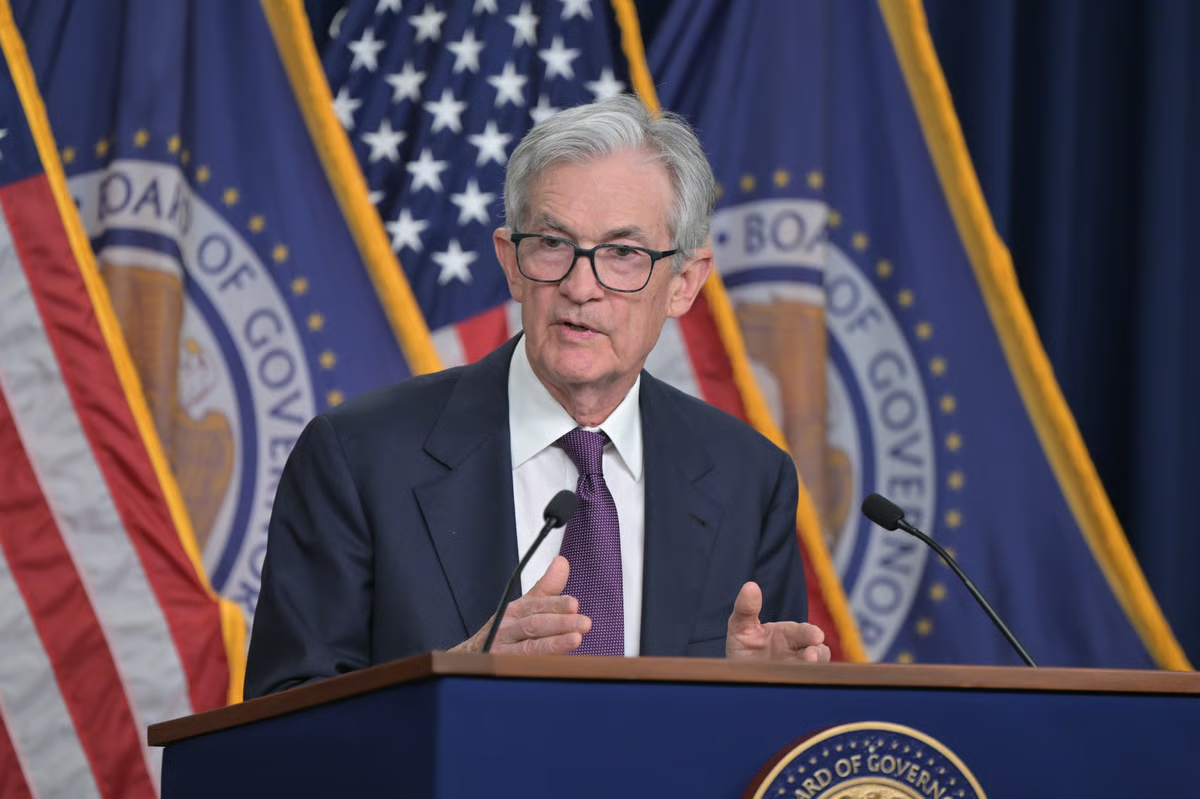
The Federal Reserve’s upcoming two-day meeting, concluding on December 10, is generating significant anticipation among investors, particularly regarding the likelihood of an interest rate cut. Current market sentiment suggests an 87% probability for a 25-basis-point reduction, aimed at stimulating the economy amid growing concerns over stagflation. However, investors are also scrutinizing the potential for division among Fed policymakers, as any signs of compromised independence could lead to adverse market reactions.
The Federal Open Market Committee (FOMC), which consists of 12 voting members, is responsible for setting monetary policy aimed at achieving its dual mandate: maintaining stable prices and maximizing employment. The committee’s recent sessions have revealed a notable divide in opinions on the best course of action. During the July meeting, two dissenting votes called for a rate cut, a rarity not seen since 1993. In October, when rates were slashed by 25 basis points, a similar division surfaced, with Governor Stephen Miran advocating for a more aggressive cut of 50 basis points, while Kansas City Fed President Jeffrey Schmid argued against any cut.
These dissenting voices raise critical questions about the Fed’s independence, especially in light of President Trump’s vocal desire for lower rates, often expressed through pointed critiques of Chairman Jerome Powell. While there is no direct evidence that Miran’s votes align with Trump’s influence, his consistent support for more substantial cuts since joining the committee has sparked concerns among investors.
Market dynamics could shift if this pattern continues, as fears of compromised Fed independence might lead to higher Treasury yields. Elevated yields would compete with equities for investor attention, making the stock market less appealing.
Moreover, the FOMC is expected to release updated economic projections that will indicate its stance on the broader economic outlook, especially concerning inflation, GDP growth, and unemployment. The minutes from the October meeting highlighted a consensus that inflation risks remain high, alongside increased concerns about employment.
The specter of stagflation looms over the U.S. economy—characterized by stagnant growth, rising inflation, and a contracting labor market. President Trump’s tariffs have escalated inflationary pressures, with an increase noted each month since these tariffs were implemented in April. Concurrently, unemployment recently climbed to a four-year high, and job hiring has slowed significantly, raising alarms about the economic trajectory.
Should the projections indicate heightened fears of stagflation, investors could react negatively, interpreting it as a signal that the Fed may have to choose between controlling inflation and fostering employment. This complicates the Fed’s ability to fulfill its dual mandate and could lead to sharp declines in the stock market if investors lose confidence in policymakers’ capacity to address these interrelated challenges.
As the December meeting approaches, all eyes will be on the FOMC—not only for the anticipated rate changes but also for insights into its internal divisions and the overarching health of the economy.