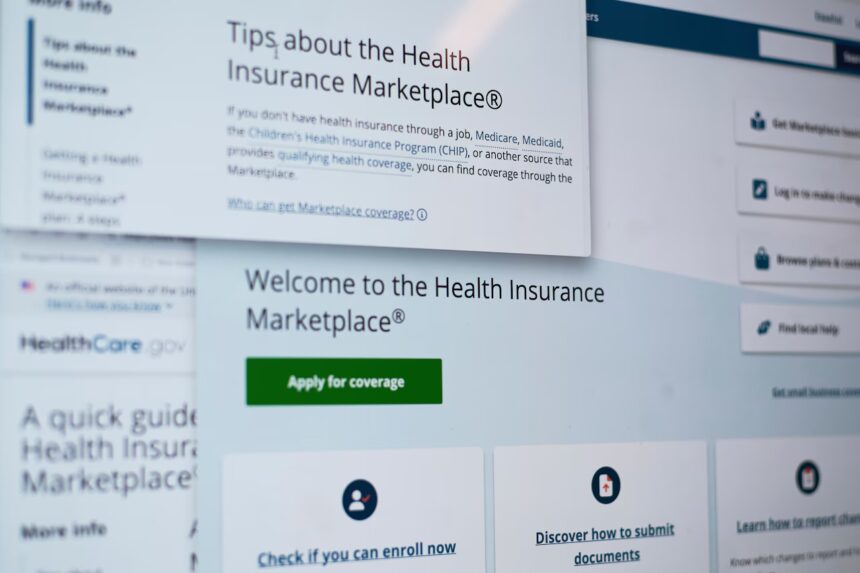
A recent survey by KFF reveals a significant public sentiment regarding health care subsidies tied to the Affordable Care Act (ACA). As a critical concern amid the recent 43-day federal government shutdown—the longest in U.S. history—approximately 75% of respondents expressed support for extending tax credits that help lower insurance premiums for individuals on the ACA marketplace.
In Ohio, the stakes are particularly high. Roughly 513,000 of the more than 583,000 individuals enrolled in Obamacare plans, representing an alarming 88%, could face soaring health care costs as Congress’s standoff left them without the relief they desperately needed. Many of these residents may even find themselves priced out of coverage entirely if measures to extend these subsidies are not implemented.
In response to this pressing issue, Ohio U.S. Senator Bernie Moreno is collaborating with Republican colleague Susan Collins of Maine to introduce the Consumer Affordability and Responsibility Enhancement (CARE) Act. This proposal aims to address the impending expiration of health care subsidies. Among its provisions, the act would cap subsidy eligibility at a household income of $200,000 while mandating that all enrollees pay a minimum of $25 per month in premiums. This change would effectively eliminate the currently available zero-premium plans for lower-income Americans.
The implications of these legislative efforts extend beyond mere costs. The potential shift in subsidy structure might fundamentally alter access to health care for thousands of Ohioans.
In other news, Cleveland continues to address various community concerns. A new report highlights that Black drivers were three times more likely to be stopped by police than white drivers over the past year, raising alarms about ongoing racial disparities despite recent improvements in procedures. Additionally, discussions surrounding the death penalty reveal that while Ohio’s executions remain paused, the national count has reached a 15-year high, led predominantly by states like Florida.
The community also faces pressing issues in various sectors: a proposed overhaul of a senior tax relief program due to low participation, ongoing investigations into a series of car break-ins at local churches, and a plea deal in a case involving the wife of a former mayor. Amid these challenges, Cleveland’s vibrant arts scene persists, with upcoming performances including Bob Dylan’s concert and theater productions such as “The Hobbit.”
City officials are also considering the future of Burke Lakefront Airport, pondering its closure to make way for potential parks and neighborhoods. The airport’s underutilization and the land’s strategic location have sparked debate about maximizing urban space for public benefit.
As Cleveland navigates these multifaceted challenges, the proposed changes to health care subsidies remain one of the most contentious issues on the horizon. With various stakeholders monitoring the situation, the community will be watching closely to see how these developments unfold.