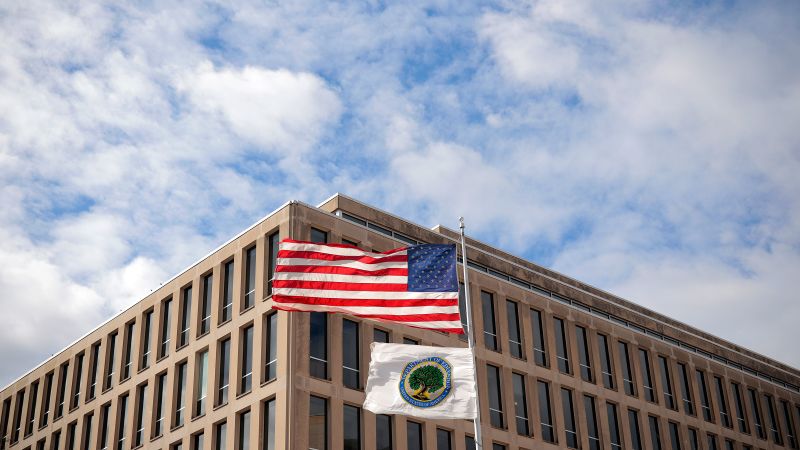
In a significant development for student loan borrowers, the Trump administration has announced an agreement to terminate the Saving on Valuable Education (SAVE) plan, a program introduced by the Biden administration in 2023. This plan, designed to assist borrowers facing high-interest loan payments, has been the subject of ongoing legal disputes.
The SAVE plan aimed to tailor monthly payments based on borrowers’ income and family size, help prevent accumulating interest, and accelerate loan forgiveness for low-income individuals. However, the Trump administration has long criticized the initiative as “illegal,” prompting efforts to dismantle it.
As part of the proposed settlement, announced by the Department of Education, no new borrowers will be enrolled in the SAVE plan, and current applicants will be denied as well. All existing SAVE borrowers will be transitioned into regulated repayment plans. Should the court approve this settlement, the plan will officially come to an end. The announcement indicates that borrowers will have a limited time to select a new repayment option, with the Office of Federal Student Aid (FSA) available to assist in this process. This resolution follows a legal challenge brought by Missouri and six other GOP-led states against the Biden administration’s policy.
Under Secretary of Education Nicholas Kent expressed that the agreement corrects what he described as an improper transfer of student loan debt onto taxpayers who may not have benefited from such loans. He characterized the SAVE program as a “deceptive scheme” that contributed to the Biden administration’s perceived failures.
Critics, however, contend that the termination of the SAVE plan will exacerbate financial burdens for borrowers already grappling with economic difficulties. Abby Shafroth, managing director of advocacy at the National Consumer Law Center, voiced concerns regarding the potential implications of withdrawing the program without offering a viable alternative, suggesting it could lead to increased confusion and stress for millions of Americans.
This settlement comes in the wake of the Department of Education’s earlier decision to resume interest on loans held by borrowers in the SAVE plan, affecting nearly eight million individuals. Although borrowers were provided with a forbearance option—allowing them to delay payments—many experienced growing loan balances as interest resumed.
The student loan environment is shifting rapidly, especially under the policies of the Trump administration. Notably, a recent tax and spending package, dubbed the “One Big Beautiful Bill Act,” introduced limits on federal student loan borrowing for graduate studies and reduced deferment options. Moreover, the SAVE plan, which offered generous terms for low-income borrowers, faced challenges from federal judges in Kansas and Missouri, who asserted that the Biden administration overstepped its authority by enacting debt relief measures without congressional approval.
With the legal battles surrounding student loan policies continuing and changes implemented in the repayment framework, borrowers may need to prepare for a transformed landscape in the coming months.