The GBP/USD pair experienced a notable increase on Wednesday, driven by the Federal Reserve’s decision to implement a rate cut, reflecting a 9-3 vote. This decision featured two members advocating for no change in rates, while Fed Governor Stephen Miran pushed for a more aggressive 50 basis-point reduction. As a result, the GBP/USD reached a trading rate of 1.3350, marking an uptick of 0.46%.
The Federal Open Market Committee (FOMC) vote showcased differing opinions among members. Governor Miran was the sole dissenter in favor of the larger cut, while Jeffrey Schmid and Austan Goolsbee preferred to maintain the current rates. The accompanying Summary of Economic Projections (SEP) painted a cautious picture, suggesting that most Fed officials anticipate the fed funds rate to be around 3.4% next year, indicating only a modest 25 basis-point reduction over the next few years.
In terms of specific forecasts, the dot plot revealed that 12 of the 19 Federal Reserve members expect the rates to fall below 3.50% in the coming year. Among these, eight are clustered in the 3%-3.50% range, with a couple of members indicating expectations as low as 2.50%-2.75%.
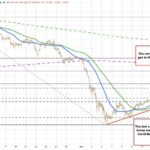
As the GBP/USD value surged, it initially bounced off 1.3326 before peaking at 1.3360. However, movement slowed ahead of a press conference scheduled with Fed Chair Jerome Powell. Traders are particularly attentive to the potential breach of the daily high, which could lead to further price action towards the December 4 high of 1.3385 and ultimately the 1.3400 level. Conversely, a dip below 1.3320 might see the pair test the day’s low at 1.3295, with subsequent focus on the 1.3250 mark.
The Federal Reserve plays a crucial role in shaping US monetary policy with dual mandates to ensure price stability and promote full employment. The Fed uses interest rate adjustments as its primary tool to navigate economic challenges. Heightened inflation prompts the Fed to raise rates, which strengthens the US Dollar by making the country a more attractive option for international investment. Conversely, lowering rates is a tactic employed to stimulate borrowing when inflation is low or unemployment is high, often leading to a weaker Dollar.
The Fed convenes eight times annually to discuss economic conditions and make necessary policy recommendations. This includes twelve key officials from varied positions, including members of the Board of Governors and the Federal Reserve Bank presidents, who rotate annually.
In exceptional circumstances, the Fed might engage in Quantitative Easing (QE) to inject liquidity into the financial system, a tactic notably utilized during the 2008 Financial Crisis. Conversely, Quantitative Tightening (QT) serves to reverse such measures by halting bond purchases, which generally favors a strengthening of the US Dollar.