In an intriguing development, a bizarre, spiky monolith has been discovered in the Mojave Desert, featuring an eye-like orb and a variety of demonic creatures. This enigmatic structure is anticipated to unveil something significant during The Game Awards 2025. Recent trademark registrations suggest that this revelation may be connected to a new game called “Divinity,” developed by Larian Studios, known for its acclaimed title, Baldur’s Gate 3.
For many gamers, Larian Studios was introduced through the monumental success of Baldur’s Gate 3. However, dedicated fans of the studio recognize that this success traces back to the Divinity series—a collection of six games that spanned from 2002 to 2017. If the monolith and the trademark leak indeed indicate a return to the Divinity universe, Larian Studios could be reintroducing itself to its roots while simultaneously attracting a new audience eager to explore this rich fantasy world.
To understand what “Divinity” signifies, it’s essential to delve into the lore of Rivellon, the vibrant setting that serves as the backdrop for the series. Rivellon is distinct from the Dungeons & Dragons universe of Forgotten Realms, offering its own unique landscape filled with diverse races, including humans, elves, and lizard-like beings, alongside elements of magic. Unlike the Sword Coast in D&D, sorcery in Rivellon is heavily regulated, adding layers of complexity to its magical lore. Moreover, the world features a mix of steampunk and sci-fi influences, resulting in a quirky and whimsical atmosphere reminiscent of Terry Pratchett’s Discworld novels. This unique tone contributes to a rich narrative and lore that has been developed throughout the series.
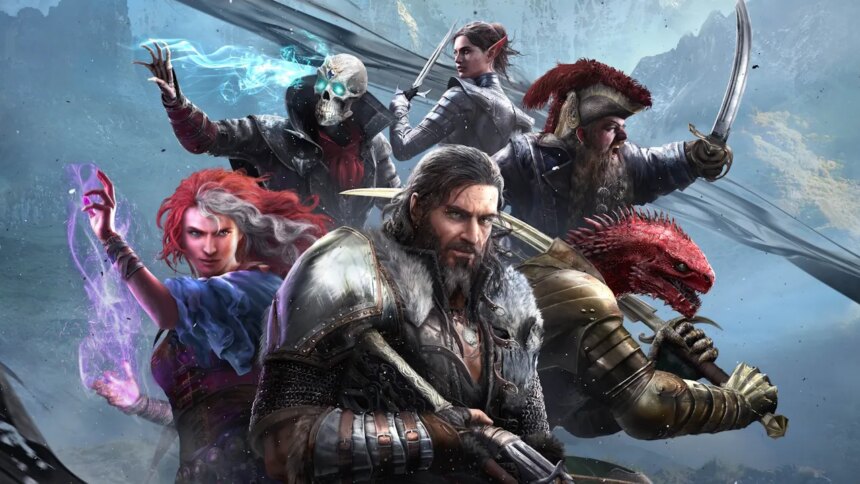
The Divinity series is characterized by its evolution across various gaming formats. Starting with action RPGs like Divine Divinity and Beyond Divinity, the series later ventured into third-person RPGs, strategy games with Divinity: Dragon Commander, and culminated in the turn-based classic RPGs of the Original Sin duology. Each title offers a standalone experience, with timelines that often span centuries. This allows players to dive into the series without prior experience, making it accessible to newcomers, particularly with the upcoming project simply titled “Divinity.”
The term “Divinity” itself has roots in the lore of Rivellon, stemming from a historical event wherein the Council of Seven sacrificed themselves to ward off evil. This led to the formation of the Divine Order, tasked with preserving knowledge and fighting future threats. The narrative evolves to center around a prophesied messiah who rises to combat a demon named Chaos, a character positioned to represent both the player’s journey and a recurring presence in the series.
While comparisons can be drawn between Divinity and Baldur’s Gate 3, significant differences exist owing to the distinctive evolution of each series. However, the Original Sin duology shares many foundational elements with Baldur’s Gate 3—especially in terms of gameplay mechanics, tactical turn-based combat, and expansive narrative designs.
For those interested in exploring the Divinity series, it is notable that the various games can be enjoyed in any order due to their stand-alone timelines. While Initial introductions to the series can be approached through titles like Divinity: Original Sin 2, those interested in examining the full lore can follow a chronological path: starting with Divinity: Dragon Commander, moving through Original Sin and Divine Divinity, and concluding with titles that blend role-playing and narrative depth.
The anticipation surrounding the new “Divinity” title hints at a fresh chapter not only for Larian Studios but for fans of role-playing games as well. With the rich lore, engaging gameplay, and a vibrant narrative world, Rivellon awaits both new adventurers and returning veterans eager to embark on another journey through its fantastical realm.