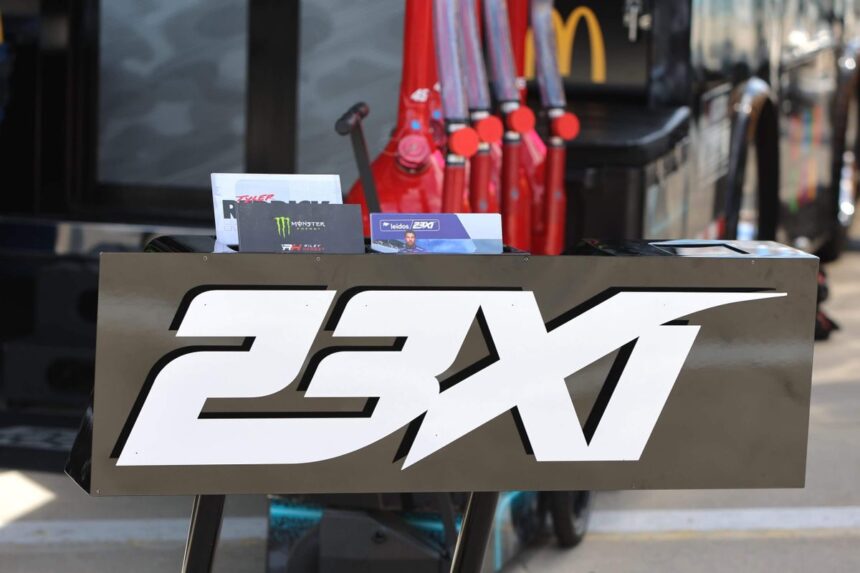
NASCAR and the two racing teams involved in a significant antitrust lawsuit, Front Row Motorsports and 23XI Racing, have reached a settlement agreement, effectively concluding a lengthy legal battle that has lasted 14 months. Attorney Jeffrey Kessler, representing the teams, announced in court that both parties have settled “in a way that will benefit the industry going forward.”
The controversy centered around contentious charter negotiations that have the potential to affect the future of the sport. Both Front Row and 23XI Racing accused NASCAR and its chairman and CEO, Jim France, of monopolistic practices. The settlement comes after a jury trial that sparked intense legal discussions and included testimony from prominent figures within the NASCAR community, including basketball legend Michael Jordan, who co-owns 23XI, and key NASCAR executives.
Although the full terms of the settlement remain undisclosed, it has been confirmed that both teams will reclaim their three charters, which had been lost amid the litigation. A pressing concern for the plaintiffs was ensuring the stability of the charter system, which operates similarly to franchises in other sports and provides certain revenue guarantees. This assurance is crucial as the current agreement runs through 2031, with a seven-year option afterward.
Presiding Judge Kenneth D. Bell, who remarked on the positive impact of the settlement across the board, expressed satisfaction with the outcome. The courtroom scene was marked by gestures of goodwill, including handshakes and hugs exchanged between the previously rival sides, signifying a newfound spirit of collaboration.
The lawsuit stemmed from a controversial contract offered to 13 charter-holding teams, which many deemed a coercive take-it-or-leave-it proposition from NASCAR. Front Row and 23XI Racing were the only teams that opted out of signing the extension, leading to escalating tensions between the teams and NASCAR. Legal representation on both sides was formidable, with NASCAR represented by Chris Yates and Kessler representing the plaintiffs.
Owning a charter is crucial for success in NASCAR, akin to holding a franchise in traditional sports leagues. Charter values have seen dramatic increases, escalating from $2 million to around $45 million in recent sales, complicating negotiations further.
With the lawsuit casting a long shadow over the racing community, many industry stakeholders welcomed the resolution. Prior to the announcement of the settlement, discussions revealed significant discord, highlighted by derogatory text messages exchanged among executives. Denny Hamlin’s fiery testimony in court encapsulated the sense of urgency from the racing teams to rectify perceived injustices regarding the charter agreements.
The stakes involved in this litigation were high, with warnings from Judge Bell suggesting that depending on the trial’s outcome, NASCAR could face drastic changes, including a forced sale of racetracks or loss of control by the France family. The settlement follows a flurry of discussions that took place just before important championship events, fueled by mounting attorney fees that reached into the millions.
In the end, the settlement marks a noteworthy moment for NASCAR, allowing both racing teams to maintain their status within the sport and potentially paving the way for a more collaborative environment in the future.