On Thursday, former cryptocurrency figure Do Kwon received a 15-year prison sentence after his involvement in a $40 billion collapse unveiled his operations as fraudulent. Victims described how the 34-year-old founder of Terraform Labs exploited their trust, convincing them that their investments were secure, even though they were sustained by secret cash infusions.
In a Manhattan federal courtroom, Kwon expressed remorse as he listened to testimonies from victims. One individual, who spoke in court, recounted how the financial ruin led him to contemplate suicide after his father’s retirement savings were wiped out. Others shared their heartbreak through phone calls and letters, detailing the devastating impact Kwon’s actions had on their lives, including lost nest eggs and diminished charitable resources.
Judge Colleen McMahon criticized the prosecution’s recommendation of a 12-year sentence as “unreasonably lenient,” while the defense’s plea for five years was dismissed as “utterly unthinkable.” Facing a potential maximum of 25 years, Kwon’s case was described as a betrayal on an “epic, generational scale,” with the judge highlighting the significant human toll caused by his actions.
Kwon had pled guilty in August to fraud charges linked to the collapse of Terraform Labs, a company he co-founded in 2018. Prosecutors indicated that his scheme resulted in losses greater than those from notorious fraud cases involving FTX and OneCoin, potentially affecting around a million people. Terraform Labs marketed its unstable stablecoin, TerraUSD, as a dependable investment, solely to see it plummet far below its intended value, leading to catastrophic failures across the cryptocurrency sector.
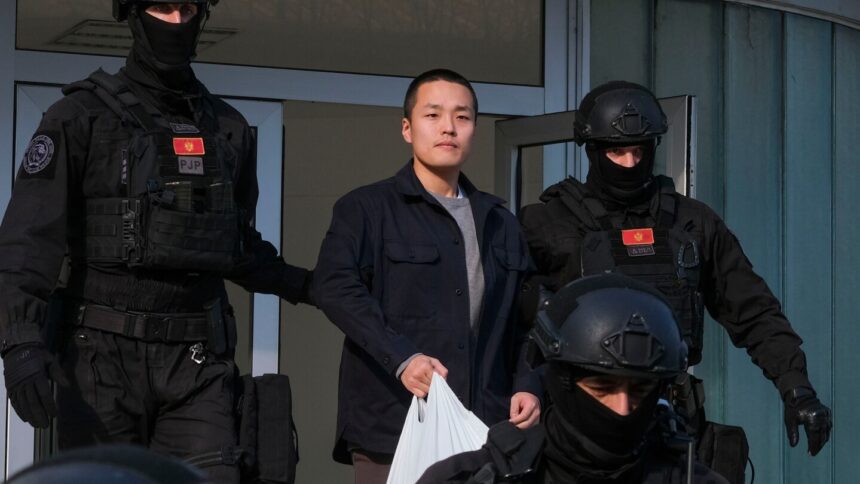
Following the fallout, Kwon attempted to run Terraform Labs from Singapore but ultimately fled to the Balkans using a false identity before being arrested in Montenegro in March 2023. He had spent 17 months in jail there prior to being extradited to the United States, where he agreed to forfeit over $19 million as part of his plea deal.
His lawyers characterized his actions as stemming from hubris rather than greed, arguing for a more lenient sentence. However, the judge dismissed the notion of Kwon serving his sentence in South Korea, where he faces additional legal proceedings and has family. Kwon reflected on the consequences of his actions, acknowledging the “great losses” he had caused.
Victims expressed profound sorrow over their ruined lives and financial stability. One man described how the investment loss led to personal turmoil, including divorce and significant life changes. Another victim recounted losing nearly $177,000 in just weeks, reflecting on the years of hard work lost in a matter of days.
Letters submitted by victims painted a stark picture of despair, with one individual revealing how Kwon’s promises of safety quickly turned into a nightmare during their attempt to juggle bills and pursue education. Prosecutors emphatically stated that Kwon created a facade of stability while concealing the underlying failures within his operations, demonstrating a complete lack of empathy for the affected individuals.