Recent developments involving Warner Bros. Discovery (WBD) have raised questions about the future of its diverse portfolio amid a backdrop of changing dynamics in the media landscape. While the blockbuster content from HBO, Warner Bros. film vault, and DC Comics continue to capture attention, analysts suggest that the fate of the company may hinge largely on its struggling cable television assets.
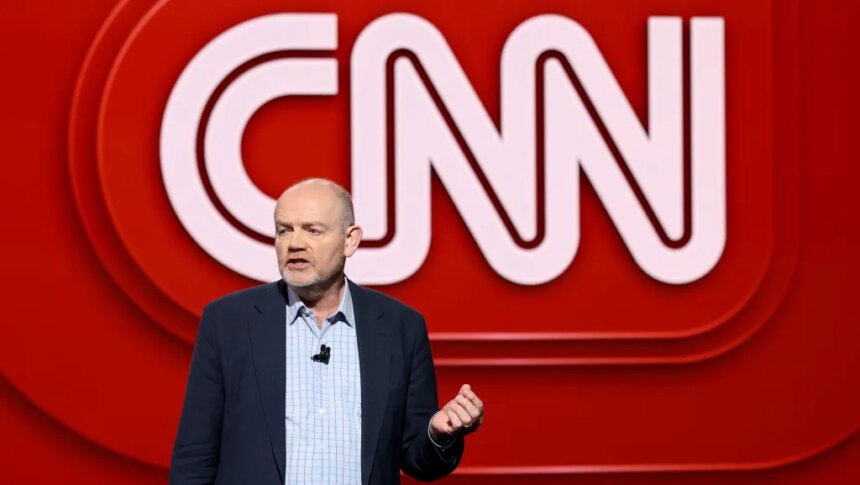
WBD’s cable division, encompassing CNN, Food Network, and TNT, has faced a sharp decline in valuation, with some investors derisively labeling it “CrapCo.” This downturn has coincided with a trend of cord-cutting that has slashed the number of pay-TV households in the U.S. to under 70 million, down from a peak of over 100 million in 2012. Although these networks still generate significant cash flow, they are increasingly viewed as outdated assets sequestered from more robust areas of the industry.
In a noteworthy strategic move, Paramount made a $108 billion cash offer for WBD, valuing the cable division at just $1 a share—a stark reflection of its perceived worth in today’s market. Conversely, Netflix has put forth an $82.7 billion deal that values WBD’s assets significantly higher, estimating a price of $27.75 per share. The ongoing negotiations illustrate the importance of accurately assessing the value of WBD’s cable assets, which may prove critical in determining the outcomes of both offers.
Market forecasts remain mixed, with analysts suggesting a range of valuations for the cable networks between $2 to $4 per share, and some more optimistic projections, such as Bank of America’s Jessica Reif Ehrlich estimating a potential valuation of up to $5 a share. The future of the cable business has been a topic of contention, and WBD is actively preparing to separate its Global Networks from its more profitable studios and streaming operations, set to materialize in 2026.
Competitors in the media sphere are also reevaluating their cable divisions. Comcast is in the process of spinning off its NBCUniversal networks into a new stand-alone company named Versant, scheduled to launch in January. Meanwhile, Disney has toyed with the idea of exiting its networks altogether, while Fox Corp. and Lionsgate have launched similar strategic moves to focus on their streaming services.
Amid these shifts, WBD’s Global Networks division reported a 5% revenue decline in 2024, amounting to $20.2 billion, alongside a significant dip in viewership ratings—down 26% in the most recent quarter. A particularly painful loss occurred when NBA broadcasts departed WBD, jeopardizing its reach during crucial playoff months.
Analysts note that despite the tumult, established brands within the cable division can provide opportunities in the digital and streaming sectors, with areas such as news and sports sustaining relevancy. Robert Fishman from MoffettNathanson emphasized that understanding the valuation of Global Networks is critical, especially as WBD navigates considerable debt moving forward.
Furthermore, both Paramount and Netflix’s offers come with regulatory hurdles pending DOJ approval. Paramount’s CEO, David Ellison, believes his company represents the best option for the future growth of WBD’s assets, touting their experience in media. In contrast, Netflix remains confident in its proposal, highlighting potential benefits for consumers and job preservation in the industry.
In a twist to the narrative, former President Donald Trump has insinuated his engagement in discussions surrounding WBD’s future ownership, though his stance is muddled regarding support for either potential buyer.
As discussions unfold, WBD faces a Dec. 22 deadline to respond to Paramount’s tender offer, with negotiations likely shaping the future trajectory of one of media’s most recognized players.