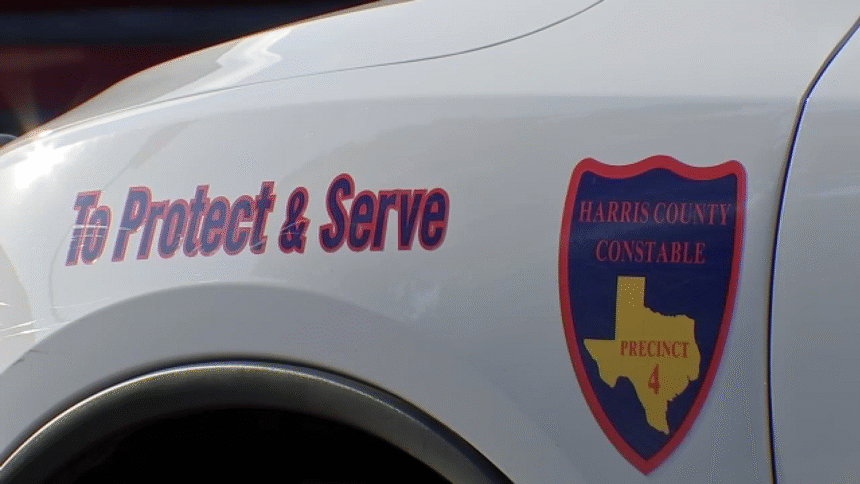
In Harris County, Texas, a controversial situation has emerged involving social media practices of the Constable Precinct 4 office and a dismissed DWI case. A criminal defense attorney is raising concerns over how law enforcement is portraying individuals accused of crimes on social media, particularly in the case of his client, whose DWI charges were dropped.
The defense attorney, Michael Stoll, has pointed out that despite a judge dismissing the DWI case due to lack of probable cause, the Constable Precinct 4 continues to share posts that allegedly publicize his client as a “drunk driver.” The posts, shared on Facebook, do not include disclaimers clarifying that the accusations have not resulted in a conviction. Stoll criticized the language used in the posts, arguing that it implies guilt rather than presenting the case as an ongoing legal process where individuals are innocent until proven guilty.
Stoll noted that after his client’s encounter with law enforcement on December 6, which led to the DWI accusation, no details were shared to indicate that his client was merely accused of a crime; instead, it simply depicted him as a confirmed offender without further context. The attorney attempted to have the posts removed after the case was dismissed but claims his requests were not acknowledged and the posts reappeared, listing his client among others arrested for DUI offenses.
The implications of these social media posts extend beyond immediate public perception. Stoll raised concerns about the long-term impact on his client’s reputation. He fears that future employers or others who search for his client online may come across these posts, which could unjustly tarnish an individual’s public image, despite the fact that the legal case has been resolved in their favor.
Fellow criminal defense attorney Johnathan White echoed Stoll’s sentiments regarding the handling of sensitive information by law enforcement. While acknowledging the need for law enforcement to keep the community informed, he voiced disapproval over the practice of naming and shaming individuals who are still presumed innocent under the law.
In response, ABC13 contacted the Constable Precinct 4 for clarification. The office stated it cannot monitor all comments made on social media and was unaware of the request to remove specific posts. Although the matter was brought up to the precinct, an official decision on whether the posts will be taken down remains uncertain, especially since the case has reportedly been refiled.
This case raises important questions about the balance between public safety awareness and protecting the rights of individuals accused of crimes, highlighting the growing tension between law enforcement transparency and the presumption of innocence.