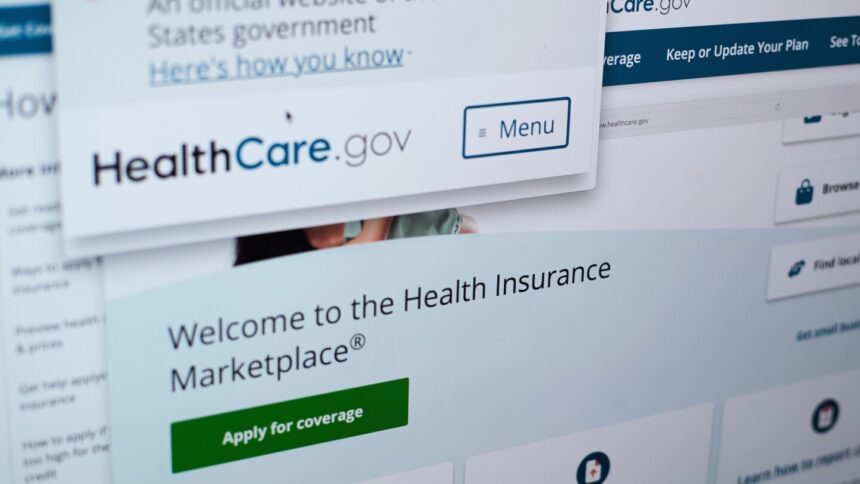
As the deadline approaches for the expiration of COVID-era enhanced tax credits, millions of Americans are bracing for significant increases in their health insurance costs, with stories emerging from families across the country highlighting the emotional and financial toll.
In Sawyer County, Wisconsin, Chad and Kelley Bruns face the difficult decision of downgrading their health coverage. The couple, both retirees and frugal due to necessity, will see their monthly premium for a top-tier gold plan skyrocket from just $2 to $1,600 next year due to the end of government subsidies. This daunting shift forces them to switch to a bronze plan, which comes with a staggering deductible of $15,000. Kelley expressed deep concern about the potential financial devastation if unexpected health issues arise, given that their new out-of-pocket maximum nearly equates to half their joint income. “We have to pray that we don’t have to have surgery or don’t have some medical procedure done that we’re not aware of,” she stated, highlighting the precarious situation many face as costs escalate.
Meanwhile, in Grand Blanc, Michigan, Dave Roof and his family of four are contemplating forgoing health insurance entirely after being covered under the Affordable Care Act since its inception. The family’s monthly payment is set to leap from $500 to at least $700, making it unmanageable on their annual income of around $75,000. Without the option to absorb such costs, this family is resigned to paying out-of-pocket for medical expenses, relying on cash for prescriptions and check-ups. Roof poignantly described the anxiety that their decision brings, noting, “The fear and anxiety that it’s going to put on my wife and I is really hard to measure.”
In Henderson, Nevada, single mother Katelin Provost shares a similar experience, stating that the American middle class is now “experiencing a full suffocation.” As she juggles expenses for housing, groceries, and childcare for her 4-year-old, her monthly health insurance premium is poised to jump from $85 to nearly $750. Currently, she has resolved to pay the higher cost for January, but the outlook remains grim if Congress does not intervene. Provost plans to keep health insurance for her daughter while dropping her own if the subsidy extensions do not materialize. The burden of this unexpected expense is already impacting her holiday plans, with Christmas celebrations set to shrink as she adjusts her budget.
As the clock ticks down to the elimination of these financial supports, many Americans find themselves forced to make difficult choices regarding their health care, casting uncertainty on their financial stability and peace of mind moving forward.