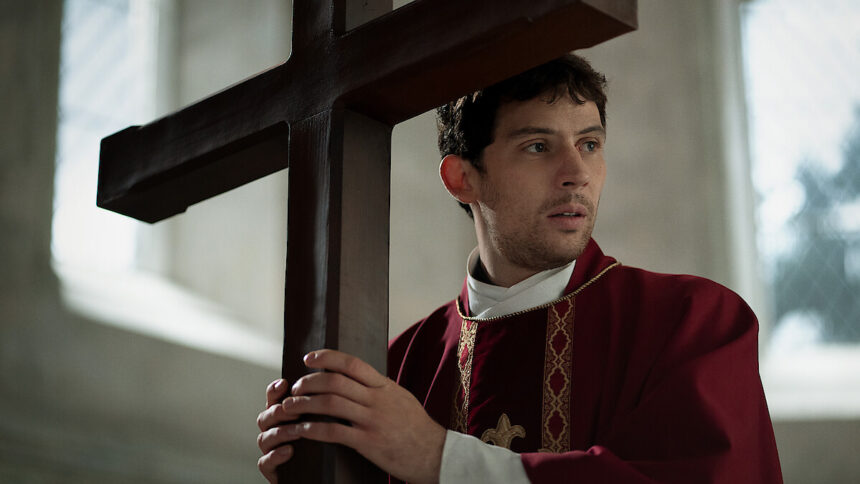
Rian Johnson has taken an innovative approach with the third installment of his murder mystery series, bringing the beloved character Benoit Blanc, portrayed by Daniel Craig, into a narrative deeply rooted in themes of faith and morality. In developing Wake Up Dead Man: A Knives Out Mystery, Johnson expressed his desire to create a story that feels both personal and relevant, setting the backdrop in a small parish in upstate New York.
The film introduces Monsignor Jefferson Wicks, played by Josh Brolin, a charismatic yet morally corrupt figure leading a congregation of frightened townspeople, including notable characters brought to life by actors like Glenn Close and Jeremy Renner. Johnson described Wicks as a master manipulator who exploits the vulnerabilities of those around him. The stark contrast is embodied in Father Jud Duplenticy, portrayed by Josh O’Connor, who yearns to embrace a more compassionate, Christ-like approach to faith, setting the stage for ideological conflict between the two men.
The intrigue escalates when Wicks is found dead in a church closet during Easter Weekend. The unexpected murder prompts police chief Geraldine Scott, played by Mila Kunis, and Blanc to delve into the case, uncovering layers of complexity and hidden truths that challenge their understanding of faith and human nature.
In crafting the narrative, Johnson drew upon his own experiences growing up in a Christian environment, acknowledging the complicated feelings he holds towards faith: “I framed the world around me through the lens of my relationship with Christ,” he reflected. This emotional foundation is evident in the film’s storyline, which is rich with biblical references and religious archetypes.
Character names and settings echo biblical narratives; for instance, Glenn Close’s character, Martha, mirrors the devoted servant from the Gospels. The local pizzeria, Il Diavolo, adds a playful twist, with its devil-themed décor juxtaposed against the backdrop of the church. Johnson’s integration of parables, such as the allegories inspired by Lazarus and the David and Goliath confrontation, enhances the film’s exploration of morality, guilt, and redemption.
As Johnson navigates the intricacies of the locked-door mystery, he acknowledges the influence of classic literary works, particularly G.K. Chesterton’s Father Brown mysteries. He delves into the complexities of faith and human fallibility, allowing for a nuanced portrayal that maintains humor amidst serious themes.
Visually, the film’s production design plays a crucial role in underscoring its spiritual themes. The church’s ambo, designed to resemble a ship’s prow, symbolizes the guidance of faith through tumultuous times. This imagery echoes themes found in Herman Melville’s Moby-Dick, while also incorporating elements of Americana with eagle carvings, invoking the figure of St. John the Evangelist.
Additionally, the concept of the “road to Damascus” provides a powerful narrative device, reflecting the transformative experiences faced by both Blanc and Jud during the investigation. This references biblical revelations, highlighting the profound personal awakenings that intertwine throughout the film.
Ultimately, Wake Up Dead Man serves as Johnson’s most intimate exploration yet of faith and its intersection with society, crafted with a blend of mystery, humor, and profound thematic depth. As audiences anticipate the film’s release, it promises to challenge perceptions and provoke thoughtful discussion around the significance of belief in contemporary life.