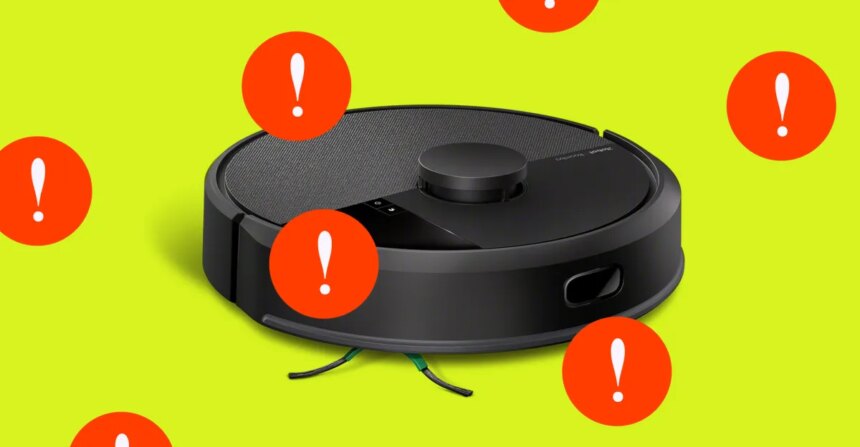
The renowned maker of Roomba robot vacuums has officially filed for Chapter 11 bankruptcy protection after 35 years of operation, marking a significant shift for the Massachusetts-based company. This move comes as no surprise following earlier warnings about the company’s dwindling options in a competitive market.
In a strategic move, iRobot has announced that it will be acquired by its contract manufacturer, Picea Robotics, based in China. The company has reassured its customers and stakeholders that its operations will continue without any anticipated disruption. App functionality, customer programs, global partnerships, supply chain relationships, and ongoing product support are all expected to remain intact, ensuring that Roomba vacuums will continue performing as usual for users.
Founded in 1990, iRobot gained prominence with the launch of the Roomba in 2002, becoming synonymous with robot vacuum technology. However, over the years, the company has faced mounting challenges, particularly from increasingly competitive players in the industry such as Ecovacs and Roborock. Despite iRobot’s status as a household name, its market share has eroded significantly.
An acquisition by Amazon in 2022 was anticipated to bolster iRobot’s fortunes, but the deal ultimately fell apart amid regulatory scrutiny. Since that setback, iRobot has attempted to innovate its product line and reduce prices to maintain a foothold in the market, collaborating with Picea Robotics to develop new iterations of the Roomba. Nonetheless, the company has continued to experience declining revenue.
The impact of U.S. tariffs, particularly a notable 46 percent tariff on products manufactured in Vietnam, has also taken a toll on iRobot’s financial stability.
CEO Gary Cohen described the bankruptcy filing as a “pivotal milestone” that aims to secure the long-term future of the company. He expressed confidence that the acquisition would enhance iRobot’s financial position and ensure continuity for consumers, customers, and partners. As iRobot embarks on this new chapter, the fate of its product lineup and market presence will be closely watched by industry observers and consumers alike.