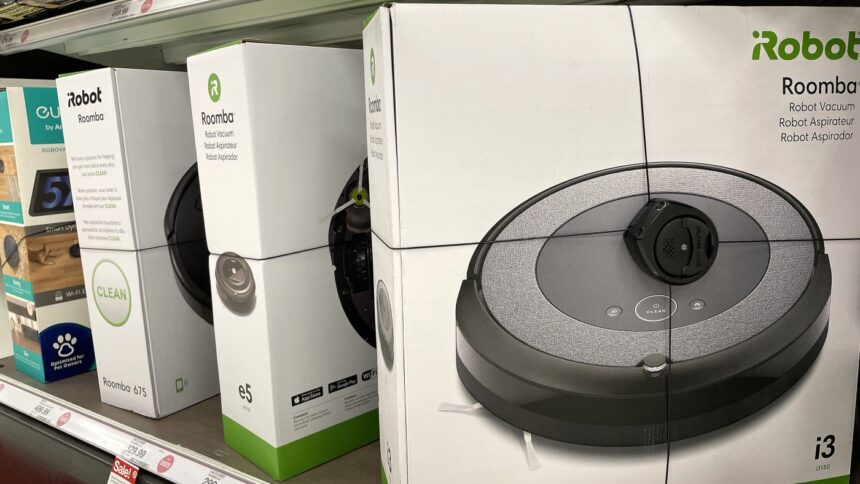
The prominent U.S. robotic vacuum manufacturer iRobot, known for its Roomba products, has announced its bankruptcy, marking a significant turning point for the company that revolutionized home cleaning. This development comes approximately two years after an attempted merger with Amazon failed under regulatory scrutiny, leaving iRobot grappling with mounting financial struggles, stiff competition, and rising operational costs.
In its bankruptcy filing, iRobot disclosed that it owes $3.4 million to U.S. Customs and Border Protection due to unpaid tariffs, a consequence of the fees implemented during the Trump administration, which have burdened the company as most of its products are manufactured in Vietnam. Additionally, the company is burdened with nearly $100 million in debt owed to Shenzhen Picea Robotics, the Chinese firm that will acquire it.
iRobot was founded in 1990 by researchers from the Massachusetts Institute of Technology (MIT) and initially focused on creating robots for military applications and scientific exploration. Their innovations included devices capable of searching the Great Pyramid of Giza and monitoring oil spills in the Gulf of Mexico. However, the company transitioned to household products, gaining significant recognition with the introduction of the Roomba, which changed the way homeowners approached floor cleaning.
Despite its early successes, iRobot has recently faced intense competition from foreign rivals, particularly those offering similarly functioning smart vacuums at lower prices. The company’s financial woes have been exacerbated by a decline in consumer demand—an alarming 33% drop in revenue was reported in the latest quarter.
The collapse of the merger with Amazon, which was valued at approximately $1.4 billion, left iRobot with a significant financial hole. A $200 million loan had been taken out to see the company through the merger review period, but without the deal, iRobot’s future looked increasingly precarious. Throughout 2023, the firm issued warnings about potential bankruptcy as it continued to struggle against the backdrop of escalating tariffs and fierce competition.
As part of the bankruptcy proceedings, iRobot is transitioning to private ownership under Shenzhen Picea Robotics. This new arrangement raises questions about the future branding and development of iRobot’s products, which will continue to be supported and developed following the acquisition. Picea, which operates its own product brand “3i,” also competes in the household technology sector with brands like Shark and Eufy, positioning itself well to integrate iRobot’s offerings into its broader portfolio.