Congress has reached a critical juncture regarding the extension of subsidies under the Affordable Care Act, commonly known as Obamacare. With the deadline looming at the end of the year, health insurance premiums are poised to increase significantly for millions of Americans, a situation intensified by the failure of last-minute attempts to secure the necessary votes in the House of Representatives.
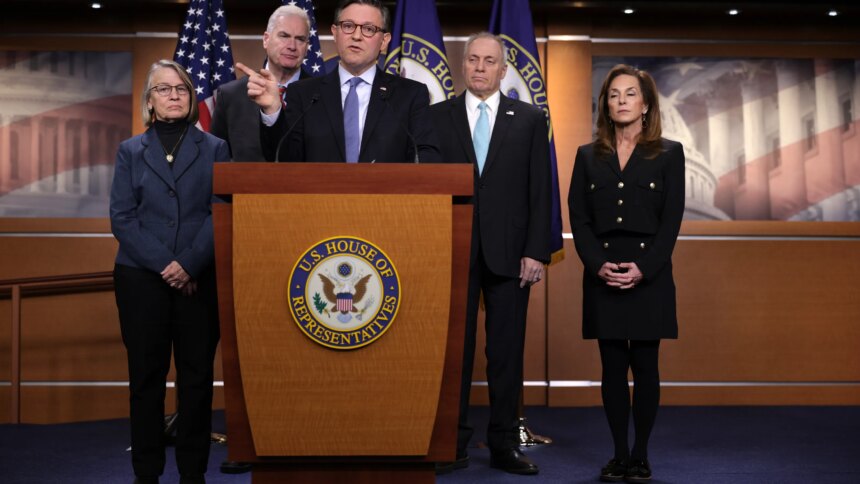
Speaker Mike Johnson confirmed on December 16 that bipartisan efforts led by a group of moderate Republicans to initiate a vote on extending the tax credits were unsuccessful. Johnson addressed the press in the Capitol, explaining that while there was a willingness among some lawmakers to revisit the COVID-era subsidies established by Democrats, no agreement could be reached to facilitate a vote.
“Many of them did want to vote on this Obamacare, COVID-era subsidy the Democrats created,” Johnson remarked. “We looked for a way to try to allow for that pressure release valve, and it just was not to be.”
The conclusion of these subsidies is projected to impact approximately 22 million Americans. According to KFF, a nonpartisan health policy research organization, enrollees who currently benefit from the tax credits will see their premiums double once the subsidies expire. The decision to halt further discussions on extending these credits is linked, in part, to the Republican party’s broader agenda of curbing federal spending. Johnson also cited concerns raised by the Government Accountability Office regarding potential fraud within the program as a factor in their reluctance to support an extension.
Earlier this month, a Senate proposal designed to extend these COVID-era subsidies for an additional three years faltered in the Senate despite backing from all Democrats and four Republican senators. The legislation failed to meet the 60-vote threshold required for passage.
In the coming days, the House is expected to take up a separate bill proposed by Republicans that focuses on broader health care reform. This legislation aims to allow businesses to join together to secure health insurance and includes provisions for funding to reduce out-of-pocket costs by 2027. However, Johnson acknowledged the improbability of this bill passing without concurrent resolution on the Obamacare subsidy issue.
Senate Minority Leader Chuck Schumer criticized the Speaker’s failure to advance the Obamacare subsidy vote, emphasizing the real financial impact on American families. Schumer pointedly remarked, “Johnson said it ‘just was not to be.’ Well, tell that to an American family that’s got to pay $500 to $1,000 more a month for their health care.”
As the situation develops, millions of Americans await the consequences of these legislative decisions, which could significantly affect their financial burdens related to health care.