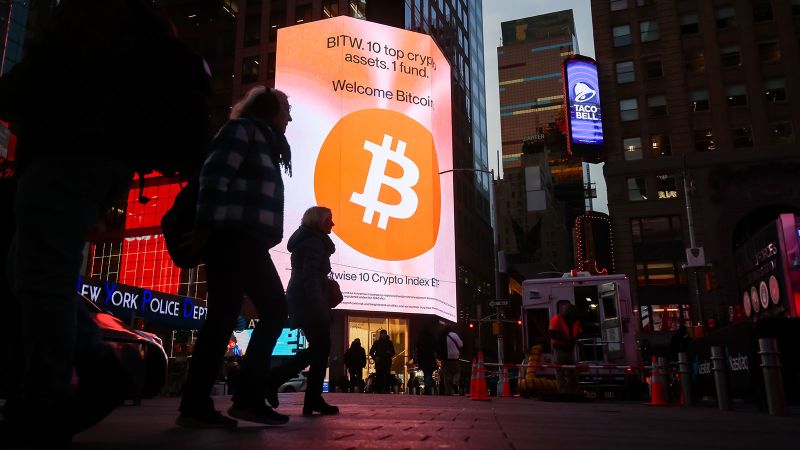
In what is shaping up to be one of the most challenging years for the cryptocurrency industry, recent trends indicate a significant downturn for bitcoin, which has seen a drastic decline from a recent high of $126,000. After experiencing a peak that marked a 30% increase since January, bitcoin has now reversed its fortunes, standing at around $86,000 and reflecting a 7% drop for the year. This performance starkly contrasts with the S&P 500 index, which is up by 15% during the same period.
The regulatory climate for cryptocurrency had appeared to improve, with a new administration in place that has embraced the industry and Congress making strides towards favorable legislation. Institutional adoption has surged, heralding billions flowing into the market through bitcoin exchange-traded funds. However, despite these seemingly positive developments, the cryptocurrency market has struggled to regain its footing.
Factors contributing to this downturn include an extreme buildup of leveraged positions that were liquidated during an early October flash crash. The persistence of this slump seems to extend beyond mere market dynamics. Investors now appear more cautious, even though higher-risk assets have thrived in other sectors, such as technology.
One explanation for this hesitance among investors is the enduring issues within crypto culture. Despite legal advancements and regulatory support, problematic figures such as scammers and other unsavory actors continue to tarnish the industry’s reputation. Incidents over the summer, including stunt activities at WNBA games by memecoin promoters and a rise in crypto-related scams — costing Americans over $330 million this year — have exacerbated negative sentiments.
Amidst these challenges, serious criminal activities have surfaced. Reports highlight a troubling trend of kidnappers targeting crypto investors, holding them for ransom until they reveal their wallet passwords. According to research firm Chainalysis, there have been over 30 reported “wrench attacks” this year, although many go unreported. High-profile cases have drawn significant media attention, with one individual recounting a harrowing escape from captivity after being threatened with violence.
While these reflections on the state of the market are sobering, they do not inherently discredit the potential of crypto investing. However, they create an unsettling environment for retail investors, particularly those who entered the market near bitcoin’s peak and now face considerable losses.
Cornell University economist Eswar Prasad has captured these sentiments, pointing out that retail investors find themselves caught between the fear of missing out on investment opportunities and concerns about the darker aspects of the crypto space. This precarious balance amplifies the volatility of crypto prices, as these investors fluctuate between enthusiasm and withdrawal whenever market conditions shift.
The initial rally in bitcoin, fueled by former President Donald Trump’s re-election, attracted a wave of new investors more interested in profits than the underlying cultural ramifications. However, with the price downturn, many of these investors lack strong incentives to remain engaged, retreating at the earliest signs of instability. As the industry navigates these turbulent waters, foundational concerns surrounding crypto continue to resurface, contributing to an atmosphere of uncertainty.