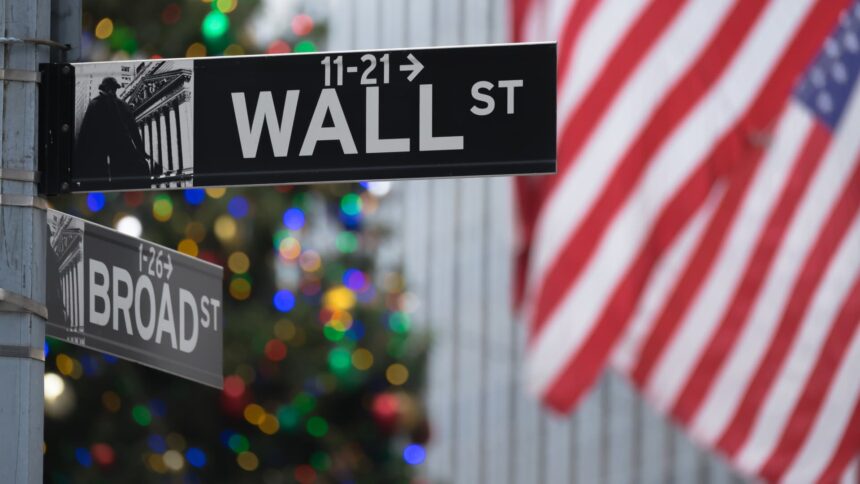
Stocks concluded the week on a positive note, buoyed by the fluctuating trends in artificial intelligence (AI) investments. The S&P 500 managed a slight weekly gain of 0.1%, while the Nasdaq rose by 0.5%. It’s notable that, despite seeing three weeks of gains out of the last four, both indexes remained modestly down for December, a traditionally strong month for stocks. Investor sentiment was recently impacted by concerns over funding for Oracle’s data center projects and questions around AI spending levels.
The market, after experiencing sharp declines earlier in the week, bounced back significantly after shares of Micron Technology surged by 7% to reach record highs, following the company’s impressive earnings report. Oracle’s stock also showed resilience, rising over 6.5% on Friday after TikTok announced it would sell its U.S. operations to a new joint venture involving Oracle and private equity firm Silver Lake. However, Oracle’s stock performance for the week remained modestly lower.
Several key events defined the market movement throughout the week:
-
AI Chip Manufacturers: Nvidia emerged as a highlight, with its shares increasing by 3.4% for the week. The company is undergoing a U.S. government review that could open up shipments of its powerful H200 chips to China. Currently, Nvidia is trading at 23.5 times its fiscal 2027 earnings estimates, a sharp decline from its usual five-year multiple of over 70 times, suggesting a potentially attractive valuation. This momentum also benefited Broadcom, although it struggled to recover from prior losses, finishing the week down 5.4%.
-
Nike’s Earnings Report: Nike reported better-than-expected second-quarter earnings for fiscal 2026, showing a turnaround in its North American market. However, disappointing sales in China and a weaker fiscal Q3 outlook resulted in a 10.5% loss on Friday, culminating in a 13% decline for the week. Jim Cramer viewed this drop as a buying opportunity, expressing confidence in CEO Elliott Hill’s strategies.
-
Capital One Stock Position: In a strategic move, a significant position in Capital One was trimmed, securing a 36% gain on shares acquired earlier in the year. The stock reached a record high and appreciated 20% since mid-November, outperforming the S&P 500’s 3.5% increase in that period. The adjustment does not alter the bullish outlook on Capital One, especially looking toward benefits from its Discover acquisition and increased stock buybacks.
-
Texas Roadhouse Investments: A decision was made to increase the holdings in Texas Roadhouse, which has shown consistent performance even amid concerns about a weakening consumer market. The company managed to maintain competitive pricing despite rising costs for ingredients like beer.
-
Costco Stock Adjustment: A decision was taken to halve the position in Costco, which has encountered challenges in the retail sector. The company’s recent mixed quarterly results and a downturn in renewal rates raised concerns about future earnings growth. The adjustment was made after realizing a substantial 200% gain on shares purchased in early 2020.
Investors are continuously reminded of the risks involved, with no guarantees regarding specific outcomes or profits. The movements in the stock market reflect ongoing volatility and changing investor sentiment, particularly around the evolving landscape of artificial intelligence and its associated challenges.