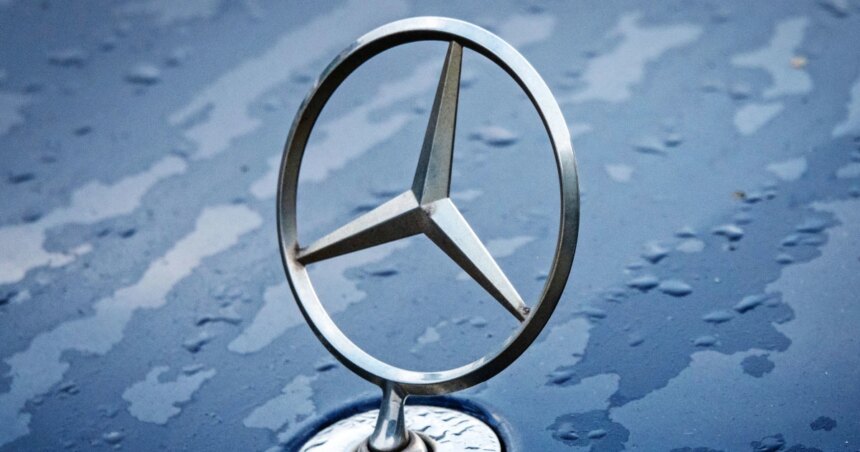
A significant settlement has been reached between Mercedes-Benz USA and its parent company Daimler AG, amounting to $149.6 million, following allegations that they secretly installed devices in numerous vehicles to manipulate emissions tests. This announcement was made by a coalition of attorneys general representing various states.
The allegations suggest that between 2008 and 2016, the German automotive giant fitted over 211,000 diesel passenger cars and vans with software designed to optimize emissions controls during testing conditions, while reducing these controls during normal vehicle operations. As a result, these vehicles were able to emit nitrogen oxides at levels significantly exceeding legal standards. Nitrogen oxides are known contributors to respiratory problems and smog-related health issues.
State officials claim that the installation of these devices was motivated by Mercedes’ inability to meet both performance and design benchmarks, such as fuel efficiency, while still adhering to legal emissions requirements. The automaker allegedly deceived regulators and consumers alike, promoting their vehicles as both environmentally friendly and compliant with emissions standards despite the use of deceptive technology.
While the settlement is still pending court approval, it represents a continued effort by the automaker to address past discrepancies regarding emissions. Previously, in 2020, Mercedes-Benz and Daimler AG agreed to pay $1.5 billion to settle similar allegations brought forth by the U.S. government and California officials.
In a statement regarding the recent settlement, Mercedes-Benz maintains that it considers the accusations unfounded and denies any liability. The company asserts that it has made sufficient provisions for the settlement costs.
The coalition consists of fifty attorneys general, including representatives from the District of Columbia and Puerto Rico, though California did not join this group. Under the terms of the settlement, Mercedes-Benz will pay $120 million to the coalition, with an additional $29 million held in suspension, contingent upon the completion of a consumer relief program.
This consumer relief initiative targets approximately 40,000 vehicles still equipped with the deceptive devices that had not been repaired or removed from operation as of August 1, 2023. Owners of these vehicles would receive $2,000 each if they agree to install approved emissions modification software and an extended warranty for their vehicles.
In addition to the financial penalties, the settlement mandates that Mercedes-Benz adhere to stricter reporting requirements. Furthermore, the automaker is required to cease any unfair or deceptive marketing tactics concerning their diesel vehicles.
This settlement adds to the growing list of penalties faced by major automotive manufacturers over emissions cheating, as seen in a related case where Volkswagen was required to pay $2.8 billion to resolve similar criminal allegations.